









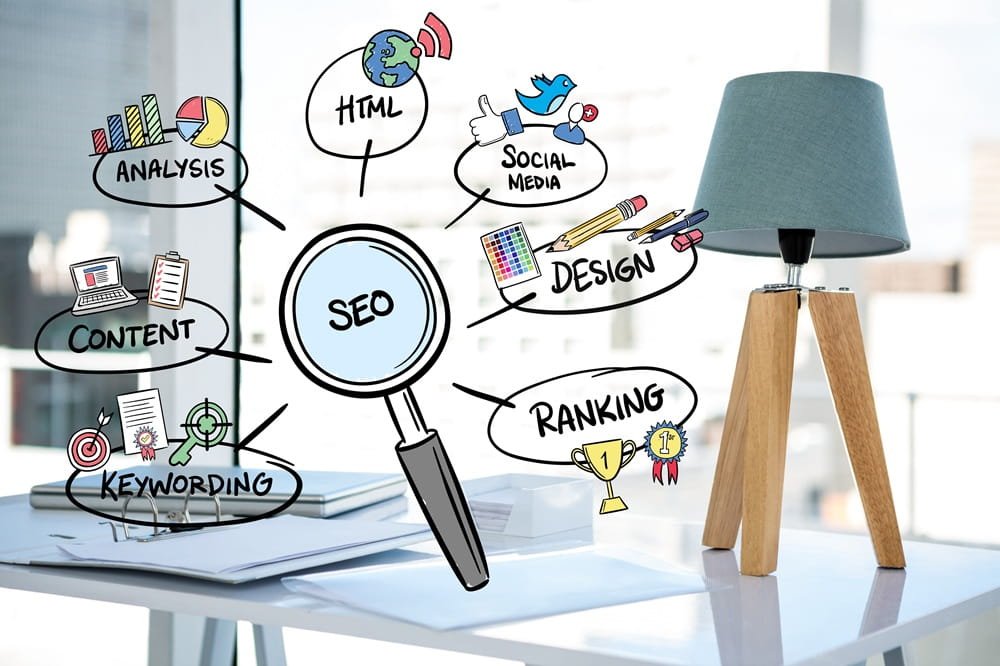
Whether you’re an aspiring marketer or an entrepreneur aiming for business growth, mastering digital marketing is essential.
Digital marketing encompasses a mix of organic and paid strategies, both of which can significantly boost your growth. We recommend starting with organic methods, as they lay a strong foundation for your website and help you maintain a competitive edge from the start. Plus, getting your organic strategy right can reduce your reliance on paid tactics, saving you money in the long run.
At this stage, you have a few options: you can hire a top-notch digital agency, bring a freelancer onboard to collaborate with your team, or take matters into your own hands by learning SEO and managing your organic marketing yourself.
You might be asking, “How do I learn SEO and handle it independently?” Don’t worry—we’ve created this guide to help you do just that.
We’ll walk you through the process step by step, so by the end, you’ll be fully equipped to tackle SEO. And if you decide you need professional support to accelerate your growth, we’re here to lend a hand.
Let’s start by exploring why learning SEO is a smart choice in the first place.
Chapter 1
Why Learn SEO?
In 2026, where the digital landscape reigns supreme, the reasons to learn and understand SEO are undeniable. SEO is a rapidly growing field that plays a critical role in the success of businesses across industries. It’s no wonder that mastering SEO can significantly boost the success of your business or career.
Some key reasons to learn SEO include:
- Ensuring your brand is easily discoverable online
- Standing out from competitors
- Reducing your reliance on paid ads and saving money
- Generating organic leads with minimal investment
Additionally, SEO has proven to be a powerful tool in increasing the business value of blog visits by up to 429%.
As digital marketing continues to evolve, the demand for SEO expertise is soaring. One major reason for this is businesses’ growing need to achieve maximum reach and visibility organically. After all, organic search accounts for more than 50% of all web traffic. In fact, studies show that organic search contributes to 44.6% of revenue across industries like eCommerce, tech, B2B, hospitality, and entertainment.
With these benefits in mind, learning SEO and developing a robust strategy for your brand is a smart investment. Now, let’s break down the step-by-step process of learning SEO.
The 6-Step Process to Learning SEO
Step 1: Start with the Basics
As with any new skill, it’s essential to start with the basics.
The first thing you need to understand is what search engines are looking for when optimizing your website. There are three main functions that search engines perform: Crawling, Indexing, and Ranking.
Crawling: Search engines use bots to visit your website periodically and find fresh content. Regardless of content format, if it’s on your site and linked appropriately, it will be discovered by search engines.
Indexing: Once the search engine bots discover your pages, the URLs are added to a database. This process, known as indexing, stores the content so it can be retrieved when relevant search queries are made. Keep in mind that not all crawled content gets indexed—this is where SEO comes into play.
Ranking: The ultimate goal of crawling and indexing is to determine your website’s ranking. Your ranking is how your pages appear in search results (SERPs) for specific queries. The better your website is indexed, the better your chances of ranking higher.
Once you understand these three core processes, you’ll be able to navigate the inner workings of Google Search more effectively. The next step is to dive into understanding keywords.
Keywords
Let’s say you own a bakery in Adelaide and want to grow your online presence. You’re not alone in your quest for visibility—many other bakeries are competing for the same customers. One of the most effective ways to ensure your potential customers can find you is through the use of targeted keywords.
Keywords are terms or phrases users search for that relate to your products or services. For example, in your case, terms like “designer cakes in Adelaide” or “best bakery in Adelaide” could help attract the right audience. By strategically incorporating these keywords into your website content, you increase the likelihood that your site will be indexed and appear in search results for those terms.
The higher you rank for these keywords, the better your chances of attracting visitors to your website. Remember, over 90% of websites fail to get search traffic from Google, so ranking well is critical. However, integrating keywords alone isn’t enough.
Backlinks
When it comes to SEO, having a solid backlink strategy is just as important as having great content. Backlinks are inbound links from other websites that lead to yours.
Backlinks serve as a signal to Google that your content is credible and valuable. The more backlinks you have from reputable sites, the better your chances of improving your organic search traffic. In fact, links are one of the top three ranking factors for Google.
Now that we’ve covered the basics of keywords and backlinks, it’s time to explore the role of content in SEO.
Content
SEO-friendly content is essential for boosting your visibility on search engines. Not only can it improve your rankings, but it can also convert visitors into paying customers. Without quality content, your website won’t provide enough valuable information for search engines to crawl and index.
In fact, over 50% of marketers consider on-page content one of the most effective SEO strategies. Well-crafted website content doesn’t just showcase your products or services—it strategically incorporates keywords and links to enhance your SEO performance.
Google Algorithms
As you begin your SEO journey, understanding Google’s algorithms is just as crucial as mastering other SEO components. Google’s algorithms are systems designed to continuously improve the quality of search results and the user experience.
It may take some time to track and understand algorithms effectively, and you’ll need to catch up with older updates—but starting now is better than never.
Here’s a quick overview of some key Google algorithms:
- Google Panda (2011): This update emphasized the need for websites to achieve a “quality score.”
- Google Penguin (2012): Targeted the elimination of spammy, unethical link-building practices that were common at the time.
- Core Web Vitals: More recent and crucial than earlier updates, Core Web Vitals assess a website’s performance based on user experience.
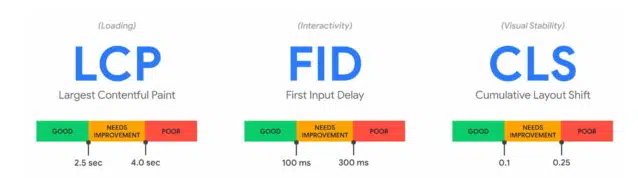
Core Web Vitals focus on three primary metrics:
- Largest Contentful Paint (LCP): Measures the loading performance of the largest element on your page. Ideally, it should take under 2.5 seconds.
- First Input Delay (FID): Measures how quickly your webpage allows user interaction. The goal is under 100 milliseconds.
- Cumulative Layout Shift (CLS): Measures the visual stability of your page, aiming for a score under 0.1.
These metrics are vital because even a small increase in load time (from 1 to 3 seconds) could cause a 32% increase in bounce rates.
Google Algorithm Updates and What to Expect in 2024 and Beyond
There have been several important Google updates in 2023, and knowing what’s coming next will help you stay ahead. Here are some key updates to consider:
- Review System Improvements: Ongoing updates are making Google’s review system more seamless and user-friendly.
- Helpful Content Update (September 2023): This update caused some fluctuations in rankings and performance, but it focused on rewarding content that genuinely helps users.
- Product Review System Updates (April 2023): These updates expanded to support 10 additional languages and improved how Google evaluates product reviews.
- Gemini AI Model: This development reinforces that AI will play a pivotal role in determining how websites are ranked, emphasizing the importance of a great user experience.
- User Experience Focus: Google continues to prioritize factors like Core Web Vitals, mobile responsiveness, and page speed.
- Privacy and Security: Expect Google to increasingly prioritize online privacy and website security, which will influence SEO strategies.
- E-E-A-T Standards: Google is focusing on content quality, ensuring that your content aligns with user intent and meets Experience, Expertise, Authoritativeness, and Trustworthiness (E-E-A-T) criteria.
By staying informed about these algorithm changes, you can keep your brand ahead of the competition.
Top Ranking Factors
Danny Sullivan from Google has noted that the Page Experience update will increasingly become a dominant factor in how websites are ranked. With that in mind, let’s dive into the most important ranking factors, which are considered foundational for successful SEO.

- Website Security: Website security has always been a key ranking factor for Google. The search engine promotes the use of HTTPS encryption with SSL certificates to secure the connection between websites and users. This added layer of security helps ensure that Google directs users to trustworthy websites.
- Mobile-Friendliness: In today’s digital world, mobile-friendliness is essential. It’s no longer optional. Mobile-friendliness refers to how well a website functions on mobile devices, and Google places a high priority on this factor, given that a large percentage of website traffic now comes from mobile.
- Links: Links are the backbone of the web, connecting all sites digitally. Inbound links are a key indicator of your site’s credibility and authority, while outbound links help build the quality and authority of your content. Don’t forget internal linking as well, as it helps pass authority from high-ranking pages to others within your website.
- Content: Quality content that is optimized for SEO is a crucial ranking factor. Your content shapes the user experience by keeping visitors engaged and boosting your visibility on search engine results pages (SERPs). High-quality, well-optimized content is central to any effective SEO strategy.
- Website and Page Speed: Users have limited patience, and delays in loading times can lead to lost customers who may have otherwise converted. Slow page or website speeds also harm the user experience, making this a critical factor to optimize for.
In addition to these primary ranking factors, aspects like integrating high-performing keywords and optimizing for Core Web Vitals also play a significant role in your SERP rankings.
Setting Goals
With a solid understanding of the essential SEO concepts, it’s time to focus on goal-setting—an integral part of creating a successful SEO strategy.
To begin, make sure your SEO goals are SMART—Specific, Measurable, Achievable, Realistic, and Time-bound. This approach will help you avoid setting goals that could become obstacles later on.
Rather than pursuing a single, overly ambitious goal, break it down into smaller, achievable milestones. This allows room for adjustments and improvements along the way.
In addition to defining your goals, establish SEO benchmarks that will guide you toward sustainable, high-quality results over time. Set clear targets for your team so they know exactly what to focus on while executing and managing the strategy.
Lastly, keep in mind that challenges are inevitable, especially in the early stages. Build your timelines with flexibility to accommodate potential setbacks.
Chapter 2
Step 2 – Master Keyword Research and Competitor Analysis
Now that you’ve grasped the fundamentals, it’s time to dig deeper into what executing an SEO strategy really involves. One of the best ways to learn SEO is by applying these concepts directly to your website.
SEO strategy requires extensive research, consistent application of SEO principles, and continuous tracking and testing of your website’s performance. Two key activities that will be central to your research are keyword research and competitor analysis.
Keyword research is the process of identifying search queries that can drive traffic to your website and improve the performance of your marketing campaigns. When done effectively, keyword research will reveal the most popular search terms relevant to your business, along with their search volume and the competition you’ll face when trying to rank for them.
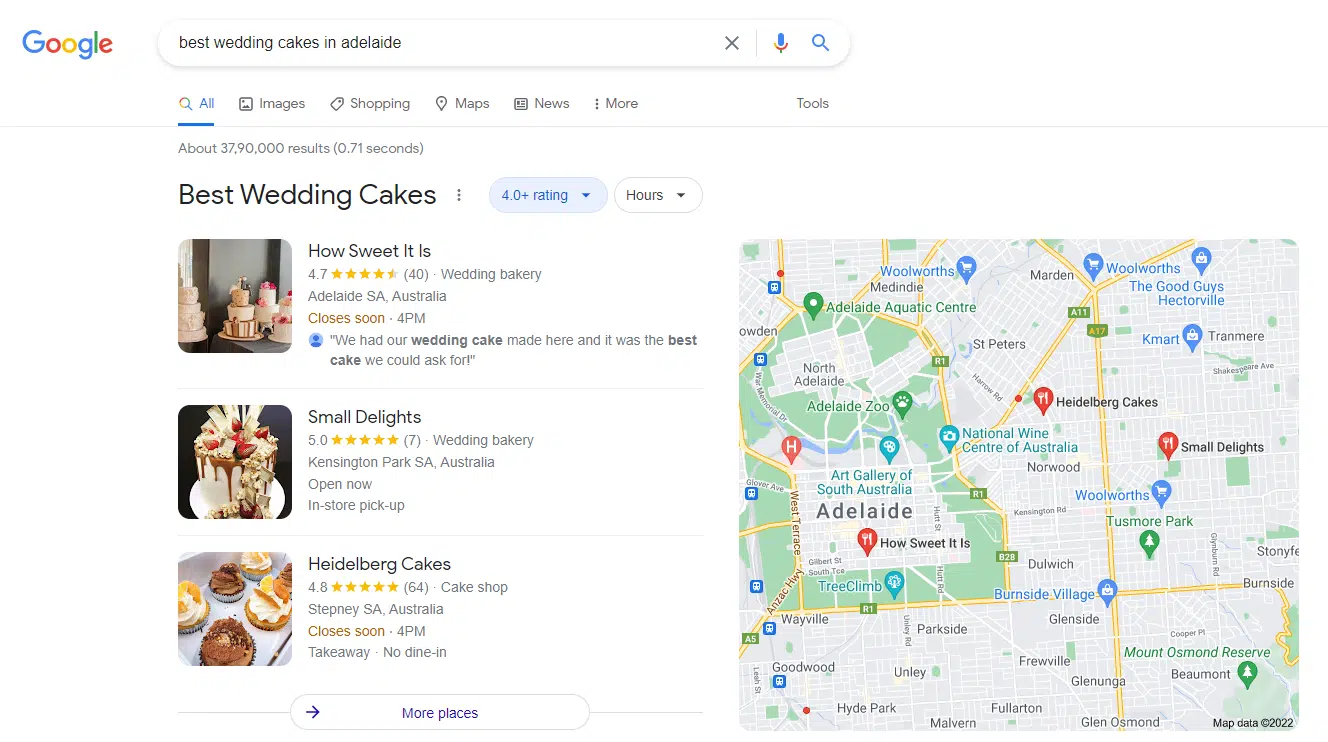
This is where competitor analysis comes into play. To identify the best keywords for your site, you should start by researching what’s working for your competitors. For example, if you run a bakery in Adelaide specializing in customized cakes, start by searching terms like “best wedding cakes in Adelaide.” The top-ranking results will point you to your competitors. To make this process more efficient, consider using a tool like Ahrefs Site Explorer, which helps pinpoint the top pages ranking for your chosen keywords. These tools can also uncover other high-performing keywords your competitors are targeting.
There are multiple ways to approach keyword research, and you can choose the method that suits you best. However, using keyword research tools is highly recommended, especially if you’re handling a large amount of content. Popular tools like SEMrush, Ubersuggest, and Google Keyword Planner are all excellent options to streamline your research.
No discussion on keyword research would be complete without mentioning Google Search Operators. These are special search queries that extend the capabilities of basic Google searches. By adding specific characters or strings, you can refine your search results and gather data more efficiently. Search operators are particularly useful during competitor analysis, as they can help you dig deeper into your competitors’ strategies.
Competitor analysis is a crucial part of SEO. It involves auditing the keywords, content, and other SEO tactics your competitors are using, allowing you to reverse-engineer their strategies. By doing this, you can integrate their most successful techniques into your own SEO plan.
While it may seem complex, competitive SEO analysis is not as difficult as it appears. It’s all about auditing and understanding the tactics your competitors use to rank. Once you get the hang of it, you can apply their successful strategies to your own SEO efforts.
SEO isn’t a skill that comes naturally overnight. It takes years of practice and learning to master these processes. The best way to improve is by applying your knowledge—perhaps by starting a blog or side project to test your SEO skills. Also, following leading SEO experts and staying updated on industry trends can help you refine your techniques. Attending local SEO meetups and seminars is another great way to network and stay on top of the latest developments in the field. The key to success in SEO is continuous learning, adaptation, and evolution.
Patience is crucial when you’re starting to learn SEO. It may take time to feel confident, but with consistent effort, you’ll see substantial improvement.
Lastly, keep in mind that SEO is not a one-time task, as many people mistakenly believe. It’s an ongoing process that requires dedication, testing, and fine-tuning. SEO testing is just as important as audits and implementation. By periodically testing your website, you can identify issues early and make necessary adjustments to stay on track.
Chapter 3
Step 3: Master SEO Techniques
Once you’ve learned the basics of SEO and started applying them to your projects, it’s time to take your skills to the next level with advanced techniques. This is where your SEO journey becomes really exciting.
When we talk about techniques, we’re referring to the essential steps you need to understand and implement to make your website thrive. It’s from here that you can build a solid SEO strategy and begin to establish a strong presence on search engine results pages (SERPs), steadily improving over time.
Let’s dive into On-Page SEO and understand its critical role in your SEO strategy and overall business performance.
- On-Page SEO and Its Impact on Business
On-Page SEO refers to optimizing your website and individual web pages to enhance their visibility on SERPs and increase organic traffic. Just like with any other SEO task, keywords play a significant role in on-page optimization. Keep in mind, On-Page SEO is about optimizing for both users and search engines.
Why is it so important? According to over 57% of marketers, On-Page SEO is their most effective SEO tactic. Now, let’s explore the key elements of On-Page SEO.
Title Tag Optimization
Your first step toward improving On-Page SEO should be optimizing your title tags. This is what search engines use to understand what your page is about, and it’s also the clickable link that users see on the SERPs.
For example, if you’re a bakery in Adelaide, people might search for “best bakeries in Adelaide.” The titles on the top-ranking pages for this query will give you a clue about what works.
While it’s tempting to stuff your title with as many keywords as possible, that won’t work anymore due to Google’s evolving algorithms. Instead, focus on including your most important keyword and ensuring the title reflects the user’s intent. Keep it unique and action-driven. Also, keep titles between 50–60 characters since search engines typically display only this length.
Page Performance Optimization
Did you know that more than 68% of online experiences begin with a search engine? This means that the pages ranking on the first page of search results are your potential customers’ entry points to your website. To capitalize on this, optimizing your page’s performance is essential.
Page speed is a crucial factor here. Google ranks websites based on speed, and your page load times affect both SEO and user experience. Use tools like Google PageSpeed Insights to measure your page load speed and time to first byte (TTFB). Faster load times can reduce bounce rates and increase customer satisfaction.
To improve page speed, try these strategies:
- Minimize redirects on your pages
- Compress your images, files, and videos
- Utilize browser caching and Content Delivery Networks (CDNs) to improve load times across geographic locations
- Ensure a simple, user-friendly experience, balancing aesthetics with functionality
Internal Linking
Internal links are often overlooked, but they play a vital role in SEO. A well-structured internal linking strategy helps search engines navigate your website and signals which pages are important. It also makes it easier for users to explore more of your content.
Each internal link distributes link equity (or “link juice”), helping your pages gain authority. Your strategy should be based on the value of links, their relevance, and their connection to other content. A solid internal linking structure will help you create an intuitive site hierarchy and boost SEO performance.
Content Optimization for Keywords
To truly elevate your on-page SEO, optimizing your website content is a must. When you create content, consider both the search intent of your audience and the keywords you want to rank for. Keyword mapping will help you align your content with user searches, making sure you target the right terms for the right audience.
While keywords are essential, keyword stuffing is penalized by Google. Focus on maintaining a natural flow of high-performing keywords while avoiding overuse. Regularly updating content with relevant keywords can ensure you stay competitive in search results.
- Off-Page SEO and Its Impact on Business
After mastering On-Page SEO, let’s look at Off-Page SEO—activities you conduct outside your website to enhance your SEO performance. These strategies, especially link-building, can make a huge impact on your rankings.
Link Building
Link building is crucial for SEO success. Generating inbound links from authoritative websites boosts your credibility and helps search engines discover your pages. Many established brands naturally attract links, but for growing businesses, actively building links is essential.
Reach out to other bloggers or webmasters in your niche to acquire backlinks. Building relationships with influencers can also help you earn links over time. When pursuing link-building opportunities, focus on high-authority websites to secure valuable backlinks. Always follow Google’s webmaster guidelines to avoid penalties.
Broken Link Building
Broken link building involves finding broken or outdated links on websites and offering a replacement link to your relevant content. This is a win-win: you help webmasters fix broken links while gaining a valuable backlink for your site.
Broken link building often has a higher success rate compared to traditional link-building tactics, making it an excellent strategy to explore.
Local SEO
If your business has a physical location, local SEO is crucial. More than 76% of people who search for nearby businesses visit them within a day. Local SEO focuses on optimizing your presence for location-based searches.
Start by creating and completing your Google Business Profile (GBP) with accurate NAP (Name, Address, Phone number) details. Local search ranking factors include:
- NAP citations
- Online reviews
- Social media shares
- Google Business Profile listing
- Location-based keywords
For example, if you own an electronics store in Perth, optimizing your GBP and using local keywords like “electronics store in Perth” can help your business appear in local search results.
- Artificial Intelligence and SEO
AI is transforming the SEO landscape. With AI’s increasing influence, AI SEO has emerged as a new strategy. AI can automate key SEO tasks like keyword research, content optimization, backlink analysis, and even schema markup creation, making your SEO efforts more efficient.
As AI continues to evolve, staying informed about its impact on SEO will help you leverage its capabilities to strengthen your online presence.
- Technical SEO and Its Impact on Business
Technical SEO is the foundation of your overall SEO strategy. Even if you’ve mastered On-Page and Off-Page SEO, your efforts won’t be as effective without strong technical SEO.
Robots.txt File
The robots.txt file gives search engines instructions on which pages to crawl and which to exclude. This helps ensure that only important pages are indexed by search engines.
Sitemap Creation
A sitemap helps search engines navigate and index your website’s pages. Use both HTML sitemaps for users and XML sitemaps for search engines. Tools like Screaming Frog SEO Spider can help generate and submit your sitemaps.
Site Security
Security should be a priority. Websites with strong security protocols are favored by both users and search engines. Regularly update your website’s security measures, use SSL certificates, and protect sensitive data to ensure your website remains safe and credible.
Core Web Vitals
Core Web Vitals, part of Google’s Page Experience update, measure how users perceive their experience on your site. The three metrics—Largest Contentful Paint (LCP), First Input Delay (FID), and Cumulative Layout Shift (CLS)—are key to optimizing the user experience and improving rankings.
Use tools like PageSpeed Insights to measure and optimize these metrics for better site performance.
Chapter 4
Step 4: Familiarize Yourself with Essential SEO Tools
As you progress in your SEO journey, you’ll quickly realize that the right tools are key to optimizing and monitoring your website’s performance. These tools not only help streamline your SEO process but also accelerate your learning curve. Whether you’re just starting out or looking to enhance your existing skills, the following tools will be crucial in taking your SEO efforts to the next level.
Google Search Console
No surprise here—Google Search Console (GSC) is an indispensable tool for any SEO strategy.
GSC is a free platform that provides insights into how Google sees and interacts with your website. It’s essential for monitoring performance and optimizing your visibility on the SERPs. Setting up GSC is simple:
- Sign up for a Google Search Console account using your business account.
- Add your website as a property—either by adding the domain or the URL prefix.
- Verify your website through one of the available methods. Google requires this to ensure you’re the rightful owner.
Once verified, GSC offers a range of functionalities: track your site’s mobile performance, analyze referring domains, and monitor rich search results, all in one place.
Google Analytics 4
Google Analytics 4 (GA4) is a powerhouse when it comes to understanding your website’s performance, though it may come with a steep learning curve due to its complex interface. However, once you get the hang of it, it becomes an essential tool for monitoring SEO metrics and tracking key performance indicators (KPIs).
For small and medium-sized businesses, the free version of Google Analytics offers ample features, providing detailed insights into both website and app performance. To get started:
- Sign in to your Google Analytics 4 account using your business account.
- Ensure that Google Tag Manager is properly set up.
- Add the analytics tag using Google Tag Manager.
- Set up goals for your website using the GA4 dashboard.
- Link your GA4 account to Google Search Console.
Once your account is up and running, you can track your website’s performance across multiple channels and gain deeper insights into your marketing efforts.
Ahrefs
Ahrefs is a go-to tool for a comprehensive SEO strategy. Offering a full suite of features, Ahrefs excels in backlink analysis, keyword research, rank tracking, and competitor analysis. Whether you’re a small business or a large enterprise, Ahrefs has plans tailored for all kinds of users.
One of Ahrefs’ standout features is its ability to analyze backlink profiles, helping you identify opportunities to strengthen your domain authority. Its user-friendly interface makes it accessible to both beginners and seasoned SEO professionals alike.
Screaming Frog
When it comes to technical SEO, Screaming Frog is one of the most trusted tools in the industry. It’s a website crawler that scans your URLs and provides valuable insights into your site’s technical and on-page SEO performance.
If your site has fewer pages, you can use Screaming Frog for free. However, for larger sites with more extensive page structures, it’s best to opt for the paid version, which costs £149 annually. Trusted by major companies like Google, Amazon, and Apple, this tool is ideal for conducting in-depth SEO audits.
SEMrush
SEMrush is another heavy-hitter in the world of SEO tools, often compared to Ahrefs. This tool offers a complete SEO suite with capabilities for keyword research, competitor analysis, and even Google Ads optimization.
SEMrush makes it easy to track keyword rankings, monitor organic traffic, and understand your website’s traffic sources—helping you prioritize your investments effectively. It’s an invaluable tool for driving and managing both SEO and PPC campaigns.
Chapter 5
Step 5 – Master SEO Reporting
Now that you have a solid grasp on SEO, it’s time to delve into reporting. Let’s face it—SEO reporting is an essential part of the process. Whether you’re working on your own website or managing SEO for a client, the reports you generate will play a pivotal role in determining how SEO investments are allocated.
When done correctly, SEO reports provide insights into what’s working and what isn’t. This allows you to adjust your SEO strategy and ensure it’s headed in the right direction.
However, as we’ve discussed before, everything starts with setting clear goals.
Setting Clear Objectives Before Optimization
Before diving into website analysis and optimization, it’s crucial to define your end goals. Without a clear objective, you could be implementing strategies without any specific direction.
For any website you’re optimizing, ask yourself:
- Are you aiming for a higher ranking on SERPs?
- Do you want an increase in organic traffic?
- Are you hoping to improve your website’s ability to convert visitors?
By setting goals and establishing a timeline, you can pinpoint the SEO activities most likely to drive success.
Conducting Website Audits
But hold on—before jumping into any strategy, you need to assess the current performance of your website with a comprehensive audit. This step will give you a baseline to measure improvements and identify areas that need attention.
SEO Forecasting
SEO forecasting should be an ongoing part of your reporting cycle. It involves reviewing past SEO performance data to predict future outcomes. This allows you to identify strategies that have been successful and areas that need adjustment. By analyzing past trends, you can fine-tune your approach for optimal results.
SEO Audits
The next step in optimizing your website is conducting an SEO audit. This involves comparing your current SEO strategy with industry best practices to spot gaps and weaknesses. An SEO audit helps you identify obstacles that are preventing your site from reaching its full potential.
Content Audit
A content audit is a critical step in evaluating the effectiveness of your website’s content. This process involves reviewing all the content on your site, analyzing its performance, and identifying opportunities for improvement. Nearly 51% of marketers consider content repurposing to be a highly effective tactic, and a content audit can uncover these opportunities to enhance your SEO strategy.
Backlink Audit
A backlink audit involves analyzing the links pointing to your site. You’ll identify both good and bad backlinks, and develop strategies for addressing them effectively. A solid backlink audit is essential for building a strong backlink profile, which plays a significant role in your website’s SEO performance.
Tracking Keyword Movements
Even after completing all of these audits, it’s crucial to monitor the performance of your keywords. As you know, SEO isn’t static—keyword rankings can fluctuate over time.
To maintain your position in the search results, track keyword movements and update your content with fresh, high-performing keywords when necessary. Keeping an eye on keyword performance will help you stay ahead of the competition and ensure sustained success.
Chapter 6
Step 6: Stay Updated on the Latest Search Algorithm Developments
By now, you should have the foundation to build and implement a successful SEO strategy and track your results. However, SEO is a dynamic field, and search algorithms are constantly evolving. To stay ahead of the curve, you must keep yourself informed about the latest changes and updates in the industry.
Newsletters
If you follow trends closely, you’re probably already subscribed to newsletters on topics you care about. Do the same for SEO.
There are many influential experts and companies in the SEO space who regularly share industry news, technical updates, and insights into emerging trends. Subscribing to their newsletters is a great way to get in-depth information that can help shape and refine your SEO strategy.
Podcasts
Podcasts are another excellent way to stay updated on SEO trends. Many podcasts feature expert SEO guests and entrepreneurs who share their experiences, strategies, and lessons learned.
Podcasts are perfect for passive learning. You can listen while commuting, exercising, or doing household tasks, making it easy to absorb new information during your daily routine.
We have a few SEO podcasts we recommend, including Search Off the Record and MarketingO’Clock, both of which feature valuable insights from SEO professionals.
SEO Conferences
If you’re looking to elevate your SEO knowledge even further, attending conferences is a fantastic option. Conferences are some of the best sources for up-to-date industry information, with experts offering their deep insights on current and future trends.
In addition to gaining valuable knowledge, conferences provide great networking opportunities, allowing you to meet fellow learners and seasoned professionals who can share their experiences.
As the world opens up, you can attend conferences in person, but there are also numerous virtual summits and events that you can join from anywhere.
FAQs
Can I learn SEO on my own?
Absolutely! Many successful SEO professionals are self-taught or have learned through online resources. With the right tools and dedication, you can master SEO on your own.
Should I learn SEO through practical experience or courses?
While taking courses can provide a solid foundation, the majority of your SEO expertise will come from hands-on experience. Applying what you learn to real-world projects is crucial for refining your skills.
Is SEO difficult to learn?
SEO can be intimidating at first, especially for beginners. However, once you understand the basics, the learning process speeds up. Advanced SEO techniques require practice and real-time application on live projects to fully grasp.
How can I learn SEO for free?
You can start learning SEO for free by exploring the wealth of knowledge available online. There are plenty of blogs, tutorials, and guides at no cost. However, if you’re looking for more structured, in-depth learning, consider affordable courses from reputable SEO experts or companies.
How do I begin learning SEO?
Start with the fundamentals of SEO and gradually build on that knowledge. Hands-on practice is key—try starting a blog or taking on a small freelance project to apply what you’ve learned. You can also supplement your learning with resources from trusted SEO blogs and expert-led courses.
How do beginners approach SEO?
For beginners, understanding SEO concepts is essential, but real growth happens when you apply them. By working on actual projects, you’ll face challenges that teach you how to overcome obstacles and refine your SEO strategy. Mistakes are part of the learning process—use them as stepping stones to improve.
What is on-page SEO?
On-page SEO involves optimizing individual web pages to rank higher and improve user experience. This includes tasks like keyword research, optimizing page content, improving internal linking, and enhancing page performance. Start by auditing your website to identify areas that need improvement, then apply your changes step by step.
Why is on-page SEO important in 2026?
On-page SEO remains one of the most effective strategies for improving your site’s visibility. Optimizing your website’s elements ensures that search engines and users alike have a positive experience. With mobile usage on the rise, on-page SEO becomes even more critical—if your site isn’t optimized for mobile, you risk losing valuable traffic.