

Your Guide On How To Manage A Marketing Budget
Introduction
As the head of your business’s marketing team, managing the marketing budget is a key part of your role. After all, your paid ads and website updates don’t come without a cost. It’s up to you to ensure the funds are allocated properly to support these marketing efforts.
However, you may not be a financial expert. While you might be well-versed in SEO and social media marketing, when it comes to creating and maintaining a budget, you might find yourself on unfamiliar ground.
Though budget planning may seem overwhelming at first, it becomes much easier once you know the best practices to stretch your budget. In this post, we’ll guide you through the process of creating a marketing budget for your business.
Of course, even the most detailed marketing plan won’t deliver results if your strategies aren’t generating revenue. If you’re looking to boost your return on investment (ROI), consider teaming up with DigiTotal. We’ve already helped over 1,000 businesses and would love for you to be our next success story!
Get started by calling us at 0416 968 210 or reach out to us online today!
What is a Marketing Budget?
A marketing budget is a financial plan that specifies how much you can spend on marketing and how those funds will be distributed across different strategies. Marketing budgets cover costs associated with various tactics and can also include additional expenses such as software purchases or outsourcing services.
The Pre-Planning Stage: Preparing to Plan Your Marketing Budget
The process of planning a marketing budget can take up to two months, though the exact timeline can vary depending on your business needs. Since developing a marketing budget requires careful thought and strategy, it’s essential to invest time in the pre-planning phase to streamline the overall process.
The specifics of creating a marketing budget will differ from one business to another, but it usually begins with discussions between you and your leadership team regarding the available funds for marketing. Generally, there are four common budgeting models:
- Revenue Percentage: A set percentage of the company’s total revenue, typically between 5% and 20%, is allocated for marketing each spending period.
- Competition-Based: Your marketing budget is determined based on what your competitors are spending during the same period.
- Top-Down: Your superiors decide on a budget amount without your input, and you are tasked with distributing it across various marketing initiatives.
- Bottom-Up: You take a goal-oriented approach to determine how much funding you believe is necessary for the period, and then seek approval from your superiors.
With the first three models, marketing teams usually have limited input, as they must work within the budget allocated by leadership. However, businesses often combine elements of two or more of these models, particularly top-down and bottom-up approaches.
For example, leadership might set overall spending targets, and then you’ll plan how to allocate the budget within those targets. Once your plan is ready, you present it to your superiors for approval.
Research and Goal Setting
After receiving your marketing budget from your superiors, it’s time to plan how to allocate the funds. However, before you start assigning money to various activities or campaigns, take a step back and conduct thorough research.
Before diving into the planning stage, make sure you fully understand your business landscape. This includes:
- The current state of your industry
- Your competitors
- Your target market
- Your products
- Your customer personas
You should also map out the buyer’s journey to better understand how to reach and engage your audience effectively.
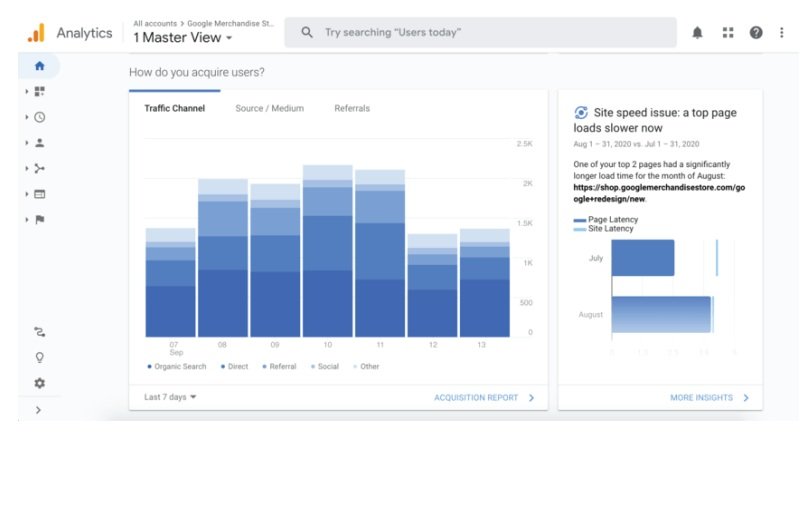
In addition, assess your monthly performance metrics, such as the number of visits, leads, and conversions, along with the associated values and costs. Google Analytics can provide valuable insights here.
With this knowledge in hand, you’ll be able to allocate your marketing budget more strategically and with greater precision.
Set SMART Goals
A crucial aspect of pre-planning your marketing budget is setting clear goals. Specifically, focus on creating a list of SMART goals—goals that are Specific, Measurable, Achievable, Realistic, and Time-bound for your marketing team.
SMART goals help you avoid setting vague objectives. For example, a goal like “increase revenue” is too broad to effectively plan a budget around. A more precise goal would be: “boost the ROI of X pay-per-click (PPC) campaign by Y%.”
Here are some alternative examples of SMART goal templates:
- Increase the monthly volume of content written by X%.
- Gain X additional Facebook followers during this spending period.
- Acquire at least X backlinks for each content piece published.
- Drive a Y% increase in traffic to X product page by the end of this spending period.
If you’re unsure about the right numbers to aim for, consider reviewing industry benchmarks and past budget data.
For a more sustainable approach, test out various marketing strategies to identify what yields the best results for your business. You might discover that social media isn’t as effective for you, while paid search campaigns drive substantial returns.
Don’t rush through the goal-setting phase. Avoid simply listing five goals and calling it a day. Take the time to carefully define everything you want to achieve with your marketing budget for the upcoming period.
Once you’ve established your goals, it’s essential to align your budget with them. Your SMART goals will serve as the foundation for the rest of your marketing budget planning.
Key Benefits:
Goals play a critical role in managing your marketing budget effectively. Not only do they help hold you accountable for how you allocate funds, but a goal-oriented approach also strengthens your position when negotiating with higher-ups for more resources in the future.
This becomes even more compelling if you can back up your goals with evidence of your marketing’s success, such as a high return on investment (ROI).
At DigiTotal, we prioritize maximizing ROI for our clients. If you want to optimize your spend targets, consider partnering with us!
Planning Your Budget
With your budget set and goals defined, it’s time to move forward to the next step in our marketing budget breakdown: How to build a marketing budget.
Identify Your Budget Items
The next phase is to create a list of specific actions and tasks that will help you reach your objectives. Here are some examples of what these could look like:
- Hire X new marketing writers to increase content production.
- Run X new sponsored posts on Facebook during this budget period.
- Design and manage X new PPC ads to drive traffic to Y product page.
- Produce X YouTube video ads during this timeframe.
These tasks should align with the principles of SMART goals—being specific and actionable—but now they represent clear actions that can be funded. This can cover various areas of marketing, including (but not limited to) the following:
- Digital advertising spend
- Video production
- Brand development
- Website design and development
- Public relations campaigns
- Event promotion and hosting
- Marketing automation tools
- Employee salaries
- Agency and consulting fees
Additionally, consider placing emphasis on strategies aimed at building brand awareness. This is important for any business, but especially crucial for newer companies.
As highlighted in the list above, the focus isn’t just on what you’d like to do, but on what is essential. For instance, employee salaries are a key aspect of your marketing budget that shouldn’t be overlooked.
Equally important is planning for “hidden costs” – such as purchases made during the previous period that will be processed in this one, or any recurring subscription fees that you might have.
Calculate Costs
After compiling a comprehensive list of potential activities to implement, the next step is to evaluate the cost of each item. This can be a challenging task since estimating expenses varies depending on the activity. Some items, like PPC campaigns, can have significant price fluctuations.
While it may be tricky, try your best to estimate how much each activity will cost. To assist you with this process, here are some helpful tips:
- Start with the simple ones: Begin by listing the costs that are easiest to estimate. For example, you already know the salaries of your current employees. Similarly, activities with fixed fees, like software subscriptions, will have clear costs.
- Set spending limits: Certain activities, such as PPC campaigns, don’t have a fixed price. Their costs depend on how much you’re willing to invest. For these types of activities, outline both the minimum and maximum amounts you’re willing to allocate.
- Refer to past data: Your previous spending history can offer valuable insight. Review your marketing team’s past budgets to get a sense of what you typically spend on similar activities.
Once you’ve estimated the costs for each activity, add them up to see the total.
Chances are, the total will far exceed your initial budget.
That’s perfectly normal! Remember, the list you’ve created is just a brainstorming exercise, capturing all the activities you wish your marketing team could execute. In reality, you won’t be able to carry out everything on the list, which leads us to the next step in the process of creating a marketing budget.
Streamline Your List
The next step in refining your marketing budget involves narrowing down your list. Review each item and assess your priorities. Which activities are crucial? Which ones are dispensable? And which ones might you be able to spend less on?
Keep your SMART goals front and center during this process. Ensure that you only retain activities that directly contribute to one or more of your objectives. These reductions should bring you closer to a rough version of your detailed marketing plan.
Here are a few more tips to guide you through budgeting at this stage:
- Expect Changes: Even if your business is well-organized, some adjustments to the budget are inevitable as you move through the spending period. It’s a good idea to leave some flexibility in your budget for unforeseen changes.
- Plan for Contingencies: It’s wise to prepare for worst-case scenarios. Sometimes, you may face budget cuts, money reallocations, or staffing changes. Consider setting aside budget categories you could tap into during an emergency.
- Evaluate ROI: Review the ROI from previous periods to identify which activities delivered value and which ones didn’t. Anything with exceptionally low ROI should likely be excluded from this budget period if possible.
- Diversify Your Spend: While it might be tempting to allocate your entire budget to the highest ROI-generating activity, it’s not always the best approach. Distribute your budget across various marketing strategies to broaden your options.
As you trim your list, watch your total expenses. Eventually, you should have a detailed marketing plan that stays within your spending targets.
If you want to retain more items from your original list, you’ll either need to spread the budget more thinly or figure out how to increase your spend targets.
That’s one more reason to partner with DigiTotal. With over 500 client testimonials, we are dedicated to helping you discover the strategies that yield the best results for your business and budget.
Get Company Approval
After determining the amount that aligns with your spend targets, carefully review your list to ensure it supports your SMART goals. Then, finalize the budget allocation for each strategy.
For cost-driven activities like social media advertising or PPC, which depend on your chosen investment, you can use our marketing calculator to get recommendations on the ideal spend.
Once you’ve completed that, refine your list as necessary and prepare it for internal review.
Expect some back-and-forth at this stage. Your superiors will evaluate your budget for compliance with their targets and assess whether the proposed activities will deliver value to the company.
Based on their feedback, adjustments may be required. However, with time and revisions, your budget will eventually gain approval, and the process will be complete.
Managing Your Marketing Budget
Congratulations on finalizing your budget! Now that it’s set, you’re ready to start managing your marketing expenses.
Create Spreadsheets
Before the spending period kicks off, it’s essential to set up a comprehensive spreadsheet to track your marketing budget. A well-organized spreadsheet is crucial for ensuring your spending stays within budget.
In fact, you might find it helpful to create multiple spreadsheets. You can have one main template to track all marketing expenses, and then separate sheets to monitor specific categories or campaigns in more detail. For example, you could have one for SEO, another for PPC, and a third for content.
Be sure to update these spreadsheets regularly throughout the spending period. A detailed marketing plan is only useful if you actively use it to manage your expenses. Try to update your budget at least once a week.
Track Your Expenses
To stay on top of recurring expenses like subscriptions or contract renewals, it’s a good idea to set up a calendar with key dates and reminders.
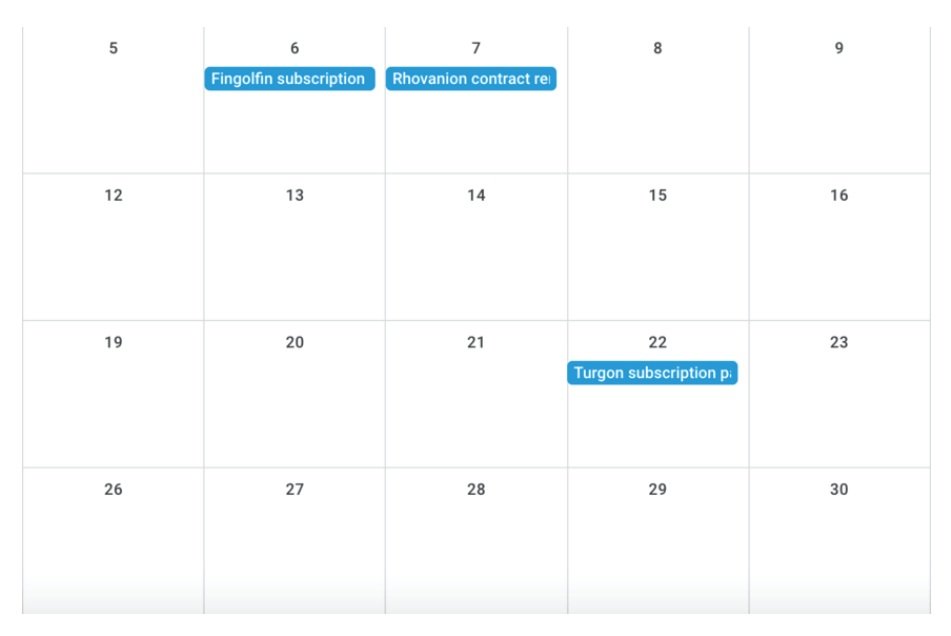
One area that’s a bit more challenging to monitor is employee spending. This could include software payments, contract renewals, or expenses related to new hires. With these transactions spread across different people and platforms, consolidating them can become tricky.
If you have a spend management system in place, it probably includes an automatic feature that registers these payments and updates your budget in real-time. If not, make sure to stay proactive and manually track employee spending.
Mark Items as Paid or Unpaid
To help manage your marketing budget, consider tagging budget items as either paid or unpaid. This can be especially useful when you need to adjust funds or swap out activities. Knowing which items are flexible and which are locked in place makes the process much smoother for everyone.
Keep Experimenting
Once you identify a strategy that works well for your business, keep using it. However, don’t get too comfortable. Even if 90% of your budget remains consistent each period, always reserve that remaining 10% for testing new approaches and options.
Identify Possible Improvements
Don’t just focus on the current spending period. Think ahead to your next budget planning phase and consider how you can make improvements. Throughout the current period, consistently monitor the ROI of various budget items and make notes on areas for potential enhancement.
Preserve Mid-Period Changes
As mentioned earlier, there are times when your budget may need to be adjusted during a spending period. If this happens, replace your original numbers with the updated ones.
However, always make a copy of your original budget before making changes—don’t overwrite it! When planning for the next period, comparing the original and modified budgets will help you anticipate possible adjustments moving forward.
Analyze Your Performance
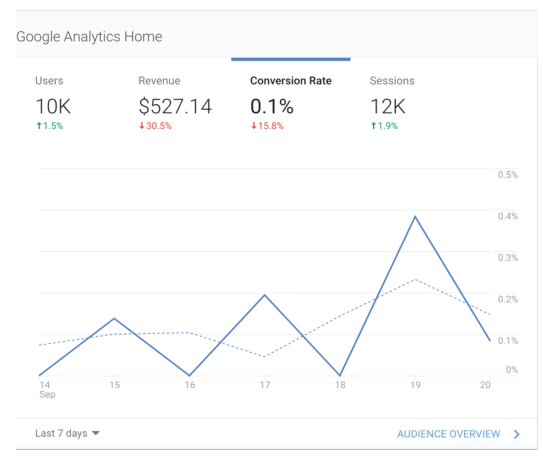 Managing a marketing budget can be challenging, but tracking your marketing performance can make the process much easier. Focus on key performance indicators (KPIs) like cost per lead, average customer value, bounce rates, and conversion rates.
Tools such as Google Analytics can offer valuable insights, so be sure to set up this tool (or another analytics platform) on your website. Understanding this data is crucial to identifying which budget items are truly delivering results.
Ending a Spending Period
As the spending period concludes, revisit your SMART goals. Review all the activities in your detailed marketing plan that involved spending, ensuring each one contributed toward achieving those goals.
Next, reassess your goals and adjust your budget for the upcoming period. If any of your recent expenditures didn’t support your goals, consider removing them from the next budget cycle.
Around this time, your finance team will ask you to reconcile your actuals—essentially verifying that the money spent aligns with the amount that left your company’s bank account. This process involves going through every expenditure from the entire period and tallying the total costs, which can be tedious. To simplify this task, it’s helpful to reconcile more frequently, perhaps every two weeks, rather than waiting until the end of the period.
Boost Your ROI with DigiTotal
By now, you should have a solid understanding of how to create, manage, and optimize your marketing budget. However, the true success of any budget depends largely on the amount of investment it receives.
The more revenue your marketing generates, the more your leadership will be inclined to allocate funds to your budget at the start of each new period. That’s where DigiTotal comes in.
With over 25 years of expertise in digital marketing, we have the tools and knowledge needed to elevate your ROI and enhance your ability to effectively manage your marketing budget.
Call us at 0416 968 210 or reach out online to get started with us today!