
Introduction: Why Marketplace SEO Has Become a Growth Engine in 2026
Online marketplaces have evolved into highly competitive search ecosystems where product visibility directly determines revenue. Platforms like Amazon-style marketplaces, niche B2B directories, and multi-vendor stores now behave like search engines themselves—ranking millions of product listings based on relevance, quality signals, user engagement, and structured data.
This is where Marketplace SEO becomes a critical growth strategy.
Marketplace SEO is no longer just about adding keywords to product titles. In 2026, it includes AI-driven search optimization, structured data (schema), intent-based content, conversion optimization, programmatic SEO systems, and trust-building signals aligned with Google’s Helpful Content and EEAT framework (Experience, Expertise, Authoritativeness, Trustworthiness).
If your product listings are not optimized for both marketplace algorithms and Google search, you are essentially invisible to high-intent buyers.
This guide breaks down everything you need to build a high-performing marketplace SEO system—from keyword strategy to advanced scaling frameworks used by top-performing marketplaces.
Click here to know more about Google Search Central.
What is Marketplace SEO? (2026 Definition)
Marketplace SEO is the process of optimizing product listings, category pages, and seller profiles within online marketplaces to improve:
- Search visibility inside marketplaces (internal ranking)
- Organic rankings on Google and AI search engines
- Click-through rate (CTR) and conversion rate (CVR)
- Trust signals like reviews, ratings, and brand authority
Unlike traditional SEO, marketplace SEO operates in a dual-search environment:
- Marketplace search algorithm (Amazon, Flipkart, Etsy-style systems)
- Google Search + AI Overviews (ChatGPT, Gemini, Perplexity-style retrieval systems)
Key Difference in 2026:
Modern marketplace SEO focuses on search intent alignment + structured data + conversion signals, not just keywords.
How Marketplace SEO Works (Modern Ranking Model)
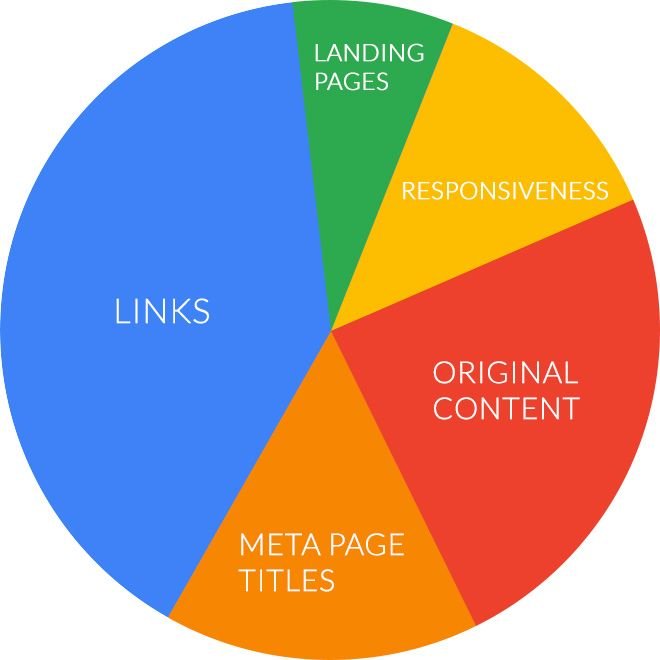
Marketplace algorithms now evaluate listings using a multi-layer scoring system:
- Relevance Layer
- Keyword match in title, description, backend tags
- Semantic search understanding (AI-based indexing)
- Performance Layer
- Click-through rate (CTR)
- Conversion rate (CVR)
- Add-to-cart behavior
- Trust Layer
- Reviews and ratings
- Seller reputation score
- Return/refund behavior
- Content Quality Layer
- Image quality and quantity
- Video presence
- Structured data completeness (schema markup)
- Freshness & Activity Layer
- Listing updates
- Stock availability
- Pricing competitiveness
👉 In 2026, AI systems also analyze whether a listing actually satisfies user intent, not just keyword usage.
Marketplace SEO vs Traditional eCommerce SEO
While both share foundations, they differ in execution.
- Search Intent Focus
- Traditional SEO: informational + transactional mix
- Marketplace SEO: strongly transactional (“buy now” intent)
- Page Control
- eCommerce SEO: full control of website
- Marketplace SEO: restricted by platform rules
- Scale Complexity
- eCommerce: hundreds of pages
- Marketplace: thousands to millions of listings
- Optimization Depth
Marketplace SEO requires optimization across:
- Titles
- Attributes
- Filters
- Variants
- Images
- Structured data
- Internal marketplace ranking signals
2026 Insight:
AI-powered search engines now prioritize product completeness score over keyword density.
Why Marketplace SEO is Critical in 2026
- Increased Organic Competition
Millions of sellers compete for identical keywords.
- AI Search Integration
Google AI Overviews now pull structured product data directly into results.
- Rising Paid Ads Costs
Organic optimization reduces dependency on PPC.
- Trust-Based Buying Behavior
Users rely heavily on reviews, ratings, and visual proof.
- Long-Term ROI
Well-optimized listings generate continuous traffic without recurring ad spend.
Request a free marketplace SEO performance report
Key Challenges in Marketplace SEO
- Large Catalog Management
Scaling optimization across thousands of SKUs requires automation and programmatic SEO systems.
- Duplicate Content Issues
Many sellers reuse manufacturer descriptions, reducing ranking potential.
- Algorithm Volatility
Marketplace ranking rules frequently update.
- Limited Branding Control
Sellers must compete within platform constraints.
- Data Inconsistency
Missing attributes reduce visibility in filtered searches.
Step-by-Step Marketplace SEO Strategy (2026 Framework)
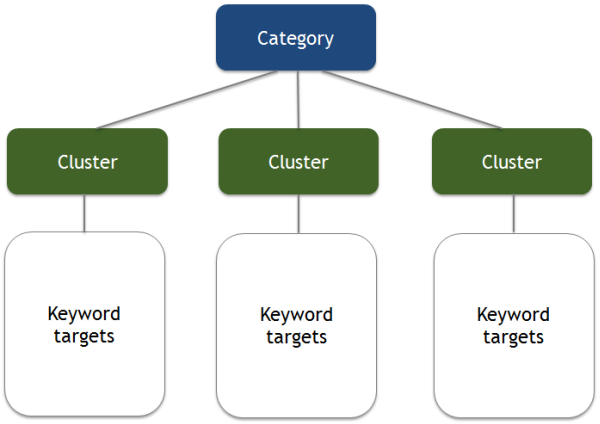
Step 1: Advanced Keyword & Intent Research
Move beyond basic keywords and focus on:
- Long-tail transactional queries
- Problem-based searches (“best laptop for video editing under budget”)
- Attribute-based searches (“waterproof wireless earbuds 2026 model”)
Tools & Methods:
- Marketplace autocomplete suggestions
- Google Search Console data
- AI keyword clustering tools
- Competitor listing scraping (ethically)
Action Insight:
Group keywords into:
- BOFU (Buy now intent)
- MOFU (Comparison intent)
- TOFU (Awareness intent)
Step 2: High-Converting Product Listing Optimization
Product Title Formula (2026):
Brand + Product + Key Feature + Variant + Use Case
Example:
“Sony WH-1000XM6 Wireless Noise Cancelling Headphones – 2026 Model, Deep Bass, Travel & Work Use”
Product Description Optimization:
Include:
- Features (bulleted)
- Use cases
- Specifications
- Emotional triggers (comfort, durability, efficiency)
Reviews Strategy:
- Automated review request system
- Post-purchase follow-ups
- Incentivized feedback (policy-safe)
Pricing Optimization:
- Competitor benchmarking
- Dynamic pricing tools
- Psychological pricing (₹1999 vs ₹2000)
Step 3: Visual SEO (Images + Videos)
In 2026, visual content is a ranking factor.
Best Practices:
- Use multiple angles
- Lifestyle images
- Comparison visuals
- Short demo videos (15–45 seconds)
Image Alt Text Example:
“Wireless earbuds in charging case showing LED battery indicator – 2026 model”
Step 4: Structured Data & Schema Markup
Schema markup helps AI systems understand product data.
You should implement:
- Product schema
- Review schema
- Offer schema
- Aggregate rating schema
Click here to know more about Google Rich Results Guide.
Step 5: Link Building for Marketplace Listings
Even marketplace listings benefit from external authority signals.
Strategies:
- Blogger outreach
- Product reviews on niche sites
- Influencer mentions
- Digital PR campaigns
Step 6: Conversion Optimization (CRO for Listings)
Improve:
- CTA placement (“Buy Now”, “Add to Cart”)
- Trust badges
- Shipping clarity
- Return policies
Advanced Marketplace SEO Strategies (2026)
- Programmatic SEO for Marketplaces
Automatically generate optimized pages at scale using templates.
Example:
- “Best running shoes in [city]”
- “Affordable laptops under [price range]”
- Indexation Control Strategy
- Optimize crawl budget
- Remove thin pages
- Use canonical tags
- Manage expired listings
- International Marketplace SEO
- Multi-language listings
- Regional keyword targeting
- Currency localization
- Geo-specific content
- AI Search Optimization (NEW in 2026)
To rank in AI Overviews:
- Use structured content
- Add clear FAQs
- Provide factual, concise answers
- Include entity-rich descriptions
Marketplace SEO Best Practices Checklist
- Keyword optimized titles
- Rich product descriptions
- High-quality images
- Video content
- Customer reviews
- Competitive pricing
- Schema markup
- Mobile-first design
- Fast loading media
- Internal category linking
Real-World Marketplace SEO Examples
Airbnb-style Platforms
They dominate location-based search using programmatic SEO for thousands of city pages.
Reverb-style Marketplaces
Strong product-level SEO with detailed specs and condition-based filtering.
Task-based Platforms (Airtasker model)
Rank for local intent keywords using service-based landing pages.
EEAT Optimization Strategy for Marketplace SEO
To improve trust signals:
- Add verified seller profiles
- Include real business identity
- Display certifications
- Maintain transparent policies
- Use expert-written descriptions
- Encourage verified reviews
Conclusion: Building a Future-Proof Marketplace SEO System
Marketplace SEO in 2026 is no longer optional—it is a core growth engine for any eCommerce business operating in competitive digital ecosystems.
Success depends on combining:
- Intent-driven keyword strategy
- High-quality optimized listings
- Structured data implementation
- AI search readiness
- Strong trust and review signals
Businesses that invest in scalable marketplace SEO systems will consistently outperform competitors in both marketplace rankings and Google search visibility.
If implemented correctly, marketplace SEO becomes a compounding growth asset that continuously drives traffic, conversions, and brand authority over time.
Frequently Asked Questions (FAQs)
1. What is marketplace SEO in simple terms?
It is the process of optimizing product listings to improve visibility and sales on online marketplaces and search engines.
2. Is marketplace SEO different from Google SEO?
Yes. Marketplace SEO focuses on product ranking inside platforms, while Google SEO targets search engine rankings.
3. How long does marketplace SEO take to show results?
Typically 3–8 weeks depending on competition, product category, and listing quality.
4. Do reviews affect marketplace SEO rankings?
Yes. Reviews are a major trust and conversion ranking factor.
5. What is the most important factor in marketplace SEO?
Search intent alignment combined with listing completeness (title, images, schema, reviews).
6. Can small sellers compete with big brands?
Yes, with better optimization, niche targeting, and long-tail keyword strategy.