





Digital Marketing vs. Traditional Marketing: What Type of Marketing Is Right for You?
What is Digital Marketing?
Digital marketing refers to the process of promoting your business online. It leverages various Internet marketing channels, including:
- Search Engines
- Social Media
- Paid Advertising
- Online Stores
- Blogs
- Emails
- Videos
- And more
These channels allow you to engage a wider audience on the web. With over 4.54 billion people active online, digital marketing provides an effective way to reach potential leads who are genuinely interested in your products or services.
Here are some widely used digital marketing strategies:
- Search Engine Optimization (SEO)
- Social Media Marketing
- Web Design
- Content Marketing
- Pay-per-click (PPC) Advertising
- Email Marketing
- And more
Advantages Of Digital Marketing
- Effortlessly reach both existing and new audiences
- Personalize the experience for your audience
- Build meaningful relationships with your audience
- Focus on customer needs
- Gain a competitive edge
- Enjoy high conversion rates
- Achieve cost-effective marketing
- Easily track and measure results
Effortlessly Reach Existing and New Audiences
Digital marketing allows you to connect with audiences on a global scale. Whether you’re marketing locally, nationally, or internationally, you can reach a broad audience with little to no cost compared to traditional marketing methods. Many digital strategies help you connect with people who are already interested in your products or services, as well as explore new markets and untapped audiences. You can target people anywhere, from your local area to global regions, enabling you to expand your market.
Digital marketing also allows for precise audience targeting. You can define your ideal customers by age, gender, profession, income, preferences, and behaviors, and create content that resonates with them. With advanced targeting, you can ensure your content reaches the right people for maximum impact. For example, if your business specializes in barn-style home furnishings, you can target homeowners who are interested in that design style.
Additionally, digital marketing helps you connect with “warm” audiences—those who are already seeking what you offer. People discover your products and services exactly when they need them, making them more likely to convert into customers. The traffic driven to your website through digital marketing efforts is often more ready to buy because they are well-informed. The key reason qualified traffic finds your business is that your offerings align with their interests and provide solutions to their problems. When potential customers search online for a brand like yours, digital marketing ensures you capture their attention.
It allows you to personalize your audience’s experience
Digital marketing gives you the ability to create tailored content specifically for your audience.
Rather than crafting a single marketing message to appeal to everyone, digital marketing lets you develop multiple pieces of content designed to resonate with people who have different interests.
You can also customize your content to align with your audience’s preferences and address their challenges. Every interaction provides valuable insights that help refine your approach to better match their needs.
Furthermore, digital marketing offers a diverse range of content formats that can be personalized for each individual in your audience. For example, you can create:
- Customized ads based on search history
- Detailed content based on frequently asked questions
- Interactive social media ads tailored to likes and interests
- Targeted email campaigns based on purchasing behavior
… and much more.
Well-crafted and personalized content is also more likely to spread quickly through word-of-mouth, helping you reach even wider audiences.
You can build stronger relationships with your audience
Digital marketing offers numerous opportunities to foster deeper connections with your audience.
Unlike traditional marketing methods, digital strategies encourage more interactive and engaging communication. For instance:
Email marketing is a powerful way to stay connected with your audience. It allows you to share relevant information, promotions, and updates, while keeping your products and services top of mind. Emails also offer a simple way for your audience to reach out to you directly.
Blogging enables you to communicate important information tailored to your audience’s interests and needs. Your blog serves as a space where readers can stay informed about your latest content, leave comments on your insights, and engage in meaningful discussions with others.
Social media marketing provides opportunities to interact with your audience. When they comment on your posts, you can respond and create a conversation. If they have questions, they can easily message you, making it simple for them to connect with your brand.
By interacting directly with your audience, you strengthen brand recognition and foster customer loyalty. An active online presence also helps you develop a reputation for outstanding customer service.
It’s customer-centric
Digital marketing is about understanding customer needs and meeting them where they are. It allows customers to find you when they need information or assistance, rather than you always reaching out to them.
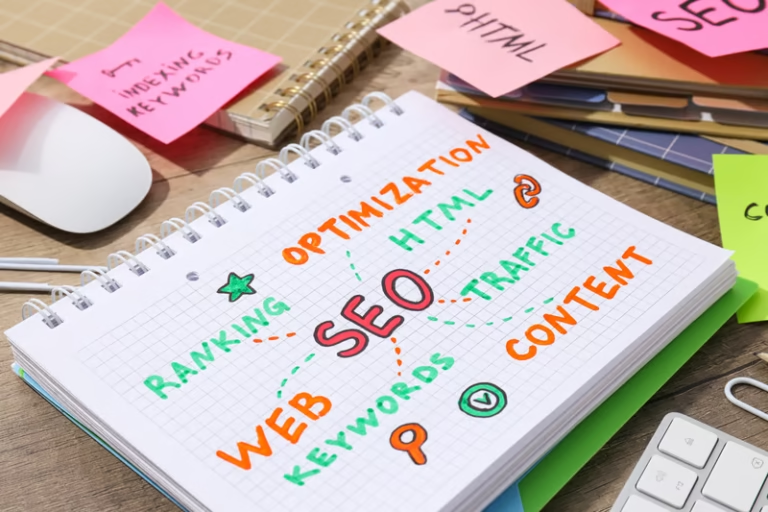
For example, search engine optimization (SEO) is a digital marketing strategy that enhances your content’s visibility in search engine results. This way, when users search for topics related to your industry, your business is more likely to be discovered.
Digital marketing allows you to focus on providing an exceptional experience for your audience by personalizing their journey based on their unique needs. It helps you deliver relevant content at every stage of the buying process—from discovery to purchase.
Since digital marketing emphasizes offering valuable information, your audience will see that you’re more interested in building relationships than just selling products. By delivering tailored content when it’s most convenient for them, you’re more likely to establish long-lasting, meaningful connections.
Competing Made Easier
Digital marketing opens up more advertising opportunities, offering you a larger space to reach your audience. With the ability to target wide-ranging demographics at affordable prices, combined with a variety of optimization techniques and tracking methods, you can effectively compete in any market.
Even the smallest startups can go head-to-head with larger companies, thanks to digital marketing.
With pay-per-click (PPC) advertising, you have complete control over your budget, only paying when someone clicks on your ad. A well-planned PPC strategy ensures your ads will show up on the first page of search results, helping you outshine your competition.
Optimizing your ads and content to be more relevant helps you rank higher. By focusing on search features like featured snippets or “People Also Ask” sections, you can dominate valuable search spaces. Featured snippets, in particular, give you an edge by helping you outrank competitors.
High Conversion Rates
Digital marketing streamlines the conversion process for visitors.
Users often find online purchases faster, easier, and more convenient than through traditional methods. This ease of use means that your digital marketing efforts can result in a higher conversion rate, as more users are likely to make a purchase through your website.
It’s Cost-Effective
Digital marketing is significantly more affordable compared to many traditional marketing methods. We’ll explore this in greater detail later, but overall, running digital marketing campaigns is much more budget-friendly than using traditional media.
With strategies like content marketing, social media marketing, and search engine optimization, you can often implement them at no cost, provided you’re willing to invest time and effort.
Even paid online advertising options, such as social media ads or pay-per-click (PPC) campaigns, are far cheaper than traditional advertising methods. On average, digital ads cost less than a dollar per click.
Moreover, with PPC advertising, businesses often see an $8 return for every $1 spent.
When you combine this with the advanced targeting options that digital marketing offers, you get maximum value for your advertising spend.
Easy to Track and Measure Results
One of the key advantages of digital marketing is the ease with which you can track and measure the success of your campaigns.
Digital marketing gives you access to a wide range of real-time data—like clicks, dwell time, devices used, and more. Tools like Google Analytics provide a centralized platform where you can monitor all these metrics.
This data helps you evaluate the performance of your marketing efforts against your goals. Furthermore, it allows you to adjust and optimize your strategy in real-time. By tracking your results, you can quickly identify what’s working and what isn’t, making it easy to make the necessary changes.
What is Traditional Marketing?
Traditional marketing refers to marketing methods that are carried out offline. The key channels for traditional marketing include:
- Magazines
- Newspapers
- Catalogs
- Television
- Radio
- Telephones
- Billboards
- Flyers
- Industry events
- Trade shows
- And more
Many marketers appreciate traditional marketing for its reliability and straightforwardness. Some of the most commonly used traditional marketing strategies include:
- Telemarketing
- Broadcasting
- In-person meetings
- Door-to-door sales
- Direct mail
- Print advertising
- Networking
- Referral marketing
- And more
Advantages of Traditional Marketing
Similar to digital marketing, traditional marketing can yield impressive results when marketers develop strong, well-thought-out strategies.
Effective in Reaching Local Audiences
Traditional marketing is highly effective in targeting local audiences. Businesses aiming to engage with customers in a specific geographical area often use mediums like radio, television, and newspapers. These local platforms allow businesses to connect with potential customers who are most likely to be interested in their offerings.
Offers Physical Copies to Your Audience
Many traditional marketing tactics involve creating physical advertisements such as newspaper ads, flyers, and direct mail pieces. These materials provide recipients with a tangible copy that they can keep. This is a key benefit of traditional marketing over its digital counterpart, as it allows your audience to physically retain your promotional content for future reference.
It Offers Consistency
In contrast to the ever-changing nature of digital marketing, traditional marketing channels remain relatively constant.
Since digital marketing is driven by technology, it is constantly evolving to keep up with advancements. This means you must continuously learn and adapt as digital marketing strategies change.
On the other hand, traditional marketing channels generally stay the same. Newspaper ads, radio spots, and similar forms of advertising don’t change much, allowing them to remain relatively stable over time.
This consistency allows you to focus less on keeping up with an ever-evolving landscape and more on creating effective marketing campaigns. You won’t need to constantly relearn traditional methods.
It’s Easier to Implement
Traditional marketing is often simpler to learn and apply compared to digital marketing. There is less of a learning curve involved, and many businesses are already familiar with traditional marketing channels.
With options like newspaper or magazine ads, all you need to do is create the ad, and another party takes care of publishing it for you. Unlike digital marketing, which often requires hands-on implementation, traditional methods are typically more straightforward.
Additionally, thanks to its stability, marketers generally only need to learn traditional marketing techniques once.
Digital Marketing vs. Traditional Marketing
Both digital and traditional marketing offer distinct advantages, though they differ significantly in key areas. Let’s explore the main differences between the two.
Cost
One of the most noticeable differences between digital and traditional marketing is the cost.
Digital Marketing:
Digital marketing tends to be far more budget-friendly compared to traditional methods. With enough effort, it’s even possible to manage digital marketing in-house. However, for optimal results, it’s recommended to allocate a reasonable portion of your marketing budget. On average, small to medium-sized businesses can expect to pay between $2,500 and $12,000 per month for professional digital marketing services.
Traditional Marketing:
Traditional marketing usually comes with a higher price tag. Advertising through channels such as print, television, and radio involves limited space, and the costs reflect this scarcity. Due to the high production and placement fees, running campaigns on these platforms can cost up to $8 million, depending on the scope of the campaign.
Reach
The audiences you can target differ significantly between digital and traditional marketing.
Digital Marketing:
Digital marketing enables you to connect with global audiences, with no limits on the size or scope of your reach.
If you’re looking to expand your audience, increasing your reach is typically cost-effective, especially when compared to traditional marketing methods, thanks to your established digital channels.
There are also numerous strategies at your disposal, such as social media marketing, where you can generate substantial free word-of-mouth publicity. By creating compelling content and promoting it effectively, there’s a strong possibility it could go viral on social media.
Traditional Marketing:
Traditional marketing doesn’t offer the same extensive reach and precision that digital marketing provides.
Methods like newspaper ads and flyers only target individuals who purchase the newspapers or visit locations where your flyers are displayed, limiting your reach.
With TV and radio ads, you may capture a broader audience, but it doesn’t guarantee you’re reaching the right people—those genuinely interested in your products or services. This often means investing money in strategies that may only appeal to a small segment of potential customers.
Targeting
The approach to audience targeting in digital and traditional marketing differs significantly.
- Digital Marketing: Digital marketing allows you to precisely target individuals within your desired audience. Whether through search history or demographic data, digital marketing enables you to deliver relevant content at the right time. Even if your audience has niche interests, you can tailor your content to meet their specific needs.
- Traditional Marketing: Traditional marketing has limited capabilities when it comes to targeting your intended audience. The individuals exposed to traditional marketing methods often have varied demographics and interests. If your target audience is more narrowly defined, it can be challenging to reach them effectively using traditional marketing channels.
Engagement
The level of engagement also differs between digital and traditional marketing.
- Digital Marketing: Digital marketing offers numerous opportunities for direct interaction with your audience. Social media, blogging, and email marketing, for example, provide excellent platforms to enhance audience engagement with your brand.
However, it also opens the door to negative feedback, which tends to have greater visibility online. The internet magnifies the impact of reviews and public perception, which can be difficult for businesses to control. Failing to respond appropriately to negative reviews can harm your brand’s reputation.
Traditional Marketing:
Traditional marketing offers limited opportunities for interaction and engagement with your audience compared to digital marketing. In this model, most interactions are one-sided, with companies pushing ads and services directly to consumers. There are fewer avenues for audiences to provide feedback through traditional marketing channels.
Additionally, traditional marketing can often feel intrusive. Whether the audience is watching a show or listening to music, these ads can disrupt their experience, leading to lower engagement.
Intrusive ads are often irrelevant to viewers, and they have little control over whether they see the ad. This can result in a negative experience, ultimately reducing conversion rates.
However, it’s not impossible to engage effectively with your audience using traditional marketing. Businesses can still leverage these channels to connect with their audience and build meaningful relationships, especially by fostering a sense of community and local connection.
Competition
Digital and traditional marketing face different competitive dynamics.
Digital Marketing: In the digital realm, your competition can come from anywhere in the world. While digital marketing offers an advantage by allowing you to compete on a global stage, it also means you’re up against a larger number of competitors. The expansive reach of digital marketing places your business in direct competition with companies across the globe.
If your digital marketing strategy isn’t optimized, standing out from your international competitors can be a challenge. With the vast sea of online information, grabbing the attention of your target audience becomes even more difficult.
Traditional Marketing: On the flip side, traditional marketing often creates challenges for small and medium-sized businesses (SMBs) when competing with larger corporations.
Although the competition may be less intense compared to the global reach of digital marketing, traditional marketing tends to be more expensive with relatively lower conversion rates. SMBs with limited marketing budgets may struggle to compete for limited ad space against larger companies that can afford to invest more.
However, since traditional marketing typically targets local markets, your primary competition tends to come from other businesses within the same geographic area. Compared to the global scope of digital marketing, if your competitors are of a similar size, traditional marketing’s more localized focus may make competition easier.
Return on Investment (ROI)
The ROI varies between digital and traditional marketing.
• Digital marketing: Digital marketing typically offers higher returns. When you combine high conversion rates with lower costs, you often see a significantly higher ROI compared to traditional marketing methods.
Since digital marketing targets audiences based on their interests, they are more motivated to convert. Additionally, it provides straightforward ways to convert, often allowing audiences to do so with just a click.
• Traditional marketing: Traditional marketing tends to have lower conversion rates compared to digital marketing. Audiences are generally less motivated to convert through traditional channels, and the process of conversion often requires more effort.
In traditional marketing, conversions usually involve more steps, which increases the chances for potential customers to drop off before completing the process.
Learning Curve
The learning curve for digital marketing versus traditional marketing can differ significantly.
- Digital Marketing: Digital marketing can be challenging to master due to its broad range of elements that marketers need to understand to achieve successful outcomes. It often demands advanced knowledge and expertise to effectively execute a digital marketing campaign.
Digital marketing involves continuous adjustments and optimization, so marketers must be proficient in conducting regular testing, refining strategies, and making updates. This ongoing process requires a significant investment of time and effort to ensure campaigns are performing at their best.
Additionally, staying updated in the ever-evolving digital landscape is crucial. With the introduction of new technologies and the shifting preferences of online audiences, the strategies, platforms, and trends employed in digital marketing can change rapidly. To maintain a competitive edge, marketers must dedicate time to continuously researching the digital marketing space.
- Traditional Marketing: In contrast, traditional marketing tends to be easier for marketers to grasp, especially since its channels have been around for much longer. Many marketers have prior experience with traditional marketing methods.
The channels are generally simpler compared to digital marketing, and because the targeting and optimization options are more limited, traditional marketing typically requires fewer decisions and less time to execute effectively.
Optimization
The optimization opportunities available for digital and traditional marketing vary significantly.
Digital Marketing: Digital marketing offers a wide range of optimization options, including the ability to tweak ads mid-campaign. However, it also demands significant time and dedication to implement effectively. Proper setup and optimization take time, particularly when it comes to search engine optimization (SEO) and social media. In many cases, it may take six months or longer to start seeing optimal results.
There are several reasons why digital marketing requires time. Search engines need time to discover, index, and rank your website appropriately in relevant search results. This involves crawling your site, understanding its content, and determining where it belongs in search rankings. Additionally, audiences need time to come across your content, research businesses, and make decisions before converting into customers.
Ongoing Maintenance: Digital marketing also requires consistent maintenance. Maintaining a visible presence online is crucial, so your strategies must be continuously executed. Furthermore, marketers must comply with search engine and social media platform regulations. Since many digital marketing tactics rely on these platforms, it’s essential to follow their rules to avoid penalties, such as reduced visibility.
These guidelines are frequently updated with little to no notice, so staying informed and ready for changes to your strategies is vital.
Privacy and Data Security: As targeting and optimization increase, so does the amount of customer data handled. Digital marketing brings significant challenges related to data privacy and security. In recent years, there has been a rising concern among internet users about the safety of their personal data, making it essential to manage these issues carefully.
Digital marketing heavily depends on consumer data, making security and privacy concerns critical for marketers to address. Navigating the constantly evolving internet laws and regulations can be challenging, as they are often unclear and complex.
Traditional marketing: When compared to digital marketing, traditional marketing offers limited optimization options. Advertisements are generally not as customizable. Due to the lack of personalization, you often end up with a generic ad that tries to reach everyone, but doesn’t speak to individuals.
Once an advertisement is launched in traditional marketing, there are few opportunities for adjustment. Optimization typically happens only after the campaign ends, which means you’ll have to wait months before being able to apply any insights gained for future campaigns.
In contrast, traditional marketing doesn’t involve the same level of concern regarding data privacy or online security risks.
Monitoring
The distinction between digital and traditional marketing is significant in terms of trackability and measurement:
Digital Marketing:
Digital marketing offers a greater ability to track and measure results compared to traditional marketing. Marketers can monitor a broad range of metrics in real time, including:
- Clicks
- Pageviews
- Unique visitors
- Likes and follows
- Referrals from other sources
- Ranking keywords
- Video views
- Subscriptions
- Session length
- Page rank
- Conversions
- Purchases
- And more
Traditional Marketing:
Tracking the results of traditional marketing efforts is far more challenging. Unlike digital marketing, there is no way to monitor who views an ad or how it is being interacted with. Additionally, the results of traditional campaigns are often delayed, lacking the real-time insights that digital marketing offers. Marketers typically have to wait until the campaign ends to evaluate its effectiveness and determine its conversion rate.
Which marketing approach is best for my business?
After reviewing the pros and cons of digital and traditional marketing, you might be wondering where to focus your time and resources, and which approach will deliver the best results for your company: digital or traditional marketing?
Choosing between digital and traditional marketing depends on your audience’s preferences. Your target market may respond well to a balanced mix of both digital and traditional methods, or they might favor one over the other.
To decide where to direct your marketing efforts, it’s essential to thoroughly understand your audience. Identify the marketing channels they engage with most, and prioritize those in your strategy.
Also, keep in mind your business’s goals and available resources, and choose the channels that will maximize the impact of your marketing activities.
Can Digital and Traditional Marketing Work Together?
Absolutely!
Digital and traditional marketing complement each other seamlessly.
For many marketers, it’s not about choosing between digital and traditional marketing. The most successful marketers often integrate both to deliver a more holistic and effective marketing experience for their audience.
Enhance Your Marketing Strategy with DigiTotal!
Now that you understand the difference between digital and traditional marketing, let DigiTotal help you develop a digital marketing strategy that perfectly aligns with your business objectives.
As a full-service digital marketing agency with over 20 years of experience, DigiTotal specializes in creating tailored strategies that produce measurable results.
Our award-winning team of experts takes the stress and complexity out of digital marketing. They focus on aligning your digital efforts with your overall business goals, ensuring you get the best return on your investment.
Reach out online or call us at 0416 968 210 to connect with a strategist and start building your digital marketing strategy today!