

Introduction: SEO Has Evolved — and AI Is Now in Control of Search Behavior
Search Engine Optimization is no longer just about keywords and backlinks. In 2026, artificial intelligence has fundamentally changed how search engines understand content, rank pages, and deliver answers.
With the rise of AI-driven search experiences like Google AI Overviews (Search Generative Experience evolution) and conversational engines powered by large language models, users are no longer simply “searching”—they are asking and receiving synthesized answers instantly.
For businesses, this shift introduces a major question:
How do you stay visible when AI decides what gets seen?
This guide breaks down how AI is reshaping SEO, what has changed in 2026, and how you can build a future-proof strategy that performs across traditional search engines and AI-powered answer systems.
ategy call
Book a free 15-minute SEO strategy call
What AI in SEO Really Means Today (Beyond the Hype)
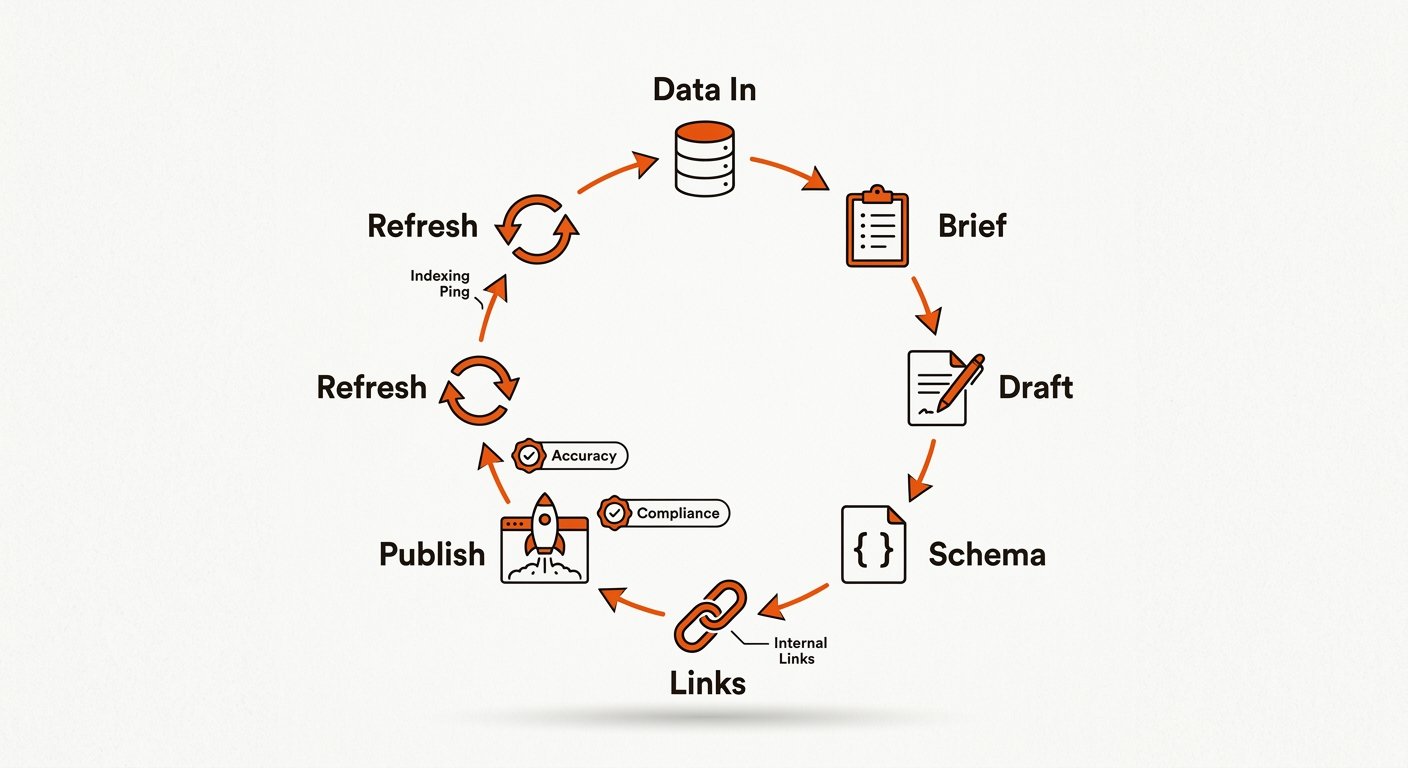
Artificial Intelligence in SEO refers to the use of machine learning systems and large language models to interpret search intent, analyze content quality, and determine rankings based on relevance and usefulness.
Modern AI systems don’t just scan keywords—they evaluate:
- Context and meaning of content
- User satisfaction signals
- Topical authority and expertise
- Entity relationships (people, places, topics)
- Content depth and originality
Key technologies powering SEO today include:
Machine Learning (ML)
Machine learning enables search engines to continuously improve ranking accuracy based on user behavior patterns.
Natural Language Processing (NLP)
NLP allows systems like Google Search to understand conversational queries instead of relying on exact-match keywords.
Large Language Models (LLMs)
Models similar to those developed by OpenAI power generative search responses, summarizing multiple sources into one answer.
Click to know more about How to get your website on Google Search.
How AI Has Transformed SEO in 2026

SEO today is no longer a “ranking game.” It is a visibility ecosystem across multiple AI-powered surfaces:
- Traditional Google results
- AI Overviews (generative summaries)
- Voice assistants
- Chat-based search tools
- Multimodal search (text + image + video)
This shift has introduced a new discipline:
Generative Engine Optimization (GEO) — optimizing content to be selected and cited by AI systems.
Book a free 15-minute SEO strategy call>
AI in Keyword Research: From Keywords to Search Intent Mapping
Old SEO focused on identifying high-volume keywords. AI has replaced this with intent-based topic modeling.
What has changed in 2026:
Instead of targeting:
- “SEO tips”
You now optimize for:
- “How can AI improve SEO rankings for small businesses in 2026?”
- “Best strategy to appear in Google AI Overviews”
How AI improves keyword strategy:
- Groups keywords into semantic clusters
- Predicts rising search trends before they peak
- Identifies user intent categories (informational, transactional, navigational)
- Suggests content gaps competitors miss
Real-world example:
A user searching:
“Why is my website traffic dropping in 2026?”
AI understands this may relate to:
- Google algorithm updates
- AI Overviews reducing clicks
- Content quality issues
- Technical SEO errors
This is no longer keyword matching—it is intent decoding.
Click here to know more about Innovation and AI.
Book a free 15-minute SEO strategy callspan>
AI and Content Creation: Writing for Humans and Machines

AI has not replaced content creators—but it has raised the standard dramatically.
Search engines now prioritize:
- Original insights (not rewritten content)
- Experience-based knowledge
- Clear structure and readability
- Deep topical coverage
This is aligned with Google’s E-E-A-T framework (Experience, Expertise, Authoritativeness, Trustworthiness).
How AI impacts content creation:
- Topic Generation
AI tools identify trending topics before they become competitive.
- Content Structuring
AI recommends:
- Subheadings
- Missing sections
- Related questions users ask
- Semantic Optimization
Content is enriched with related concepts rather than repeated keywords.
- AI Content Evaluation
Search engines can detect:
- Generic AI-generated content
- Low-value rewrites
- Lack of originality or experience
On-Page SEO in the AI Era: Smarter Optimization Systems
On-page SEO is now dynamically evaluated by AI systems in real time.
Key changes in 2026:
- Semantic Content Scoring
Pages are scored based on how well they cover a topic—not just keywords.
- Readability + Engagement Signals
AI tracks:
- Scroll depth
- Interaction patterns
- Time spent on page
- Contextual Optimization Tools
Platforms like Semrush and Ahrefs now use AI to suggest:
- Missing subtopics
- Content improvements
- Internal linking opportunities
Click here to know more about Search engine optimization.
Book a free 15-minute SEO strategy call>
AI for Technical SEO: Automation Meets Precision
Technical SEO has become largely automated in 2026.
AI now handles:
- Site audits in real time
- Indexing issue detection
- Crawl optimization
- Duplicate content identification
- Mobile and speed optimization recommendations
Core Web Vitals still matter
Google continues to prioritize user experience metrics such as:
- Loading performance
- Visual stability
- Interactivity
AI tools continuously monitor these signals and suggest fixes before rankings drop.
AI and Visual SEO: Images, Video, and Multimodal Search
Search is no longer text-only.
With multimodal AI systems, users now search using:
- Images
- Voice
- Screenshots
- Video clips
AI enhances multimedia SEO by:
- Automatically generating alt text
- Detecting objects in images
- Transcribing video content
- Extracting key topics from media
For example, Google Lens allows users to search directly from images, making visual optimization essential.
Voice Search + Conversational SEO: The New Normal
Voice assistants like Google Assistant and smart devices have changed query patterns.
Instead of typing:
“best plumber Sydney”
Users now ask:
“Who is the best plumber near me available today?”
SEO impact:
Content must now:
- Answer full questions
- Use natural language
- Include FAQ-style formatting
- Target long-tail conversational queries
Book a free 15-minute SEO strategy call>
AI Search Engines and the Rise of Answer Engine Optimization (AEO)
In 2026, users often never click a website. Instead, they read AI-generated summaries.
This introduces Answer Engine Optimization (AEO).
To rank in AI Overviews, content must:
- Provide direct answers early
- Be factually structured
- Include citations and clear data points
- Demonstrate authority
If your content is unclear or shallow, AI simply ignores it.
Future of SEO: What Comes Next?
AI is pushing SEO toward predictive and autonomous optimization.
Key trends shaping the future:
- Predictive SEO (ranking before demand peaks)
- AI-personalized search results
- Real-time content adaptation
- Entity-first indexing (not keyword-first)
- Increased importance of brand authority signals
Businesses that adapt early will dominate visibility.
Actionable SEO Strategy for 2026
To stay competitive, focus on:
- Build Topic Authority
Create clusters of deeply connected content.
- Optimize for AI Overviews
Answer questions clearly within the first 2–3 lines.
- Strengthen E-E-A-T Signals
Show real experience, case studies, and author credibility.
- Improve Technical Health
Ensure fast, mobile-first, clean architecture.
- Use AI Tools Wisely
Leverage AI for insights—not for low-quality content generation.
Conclusion: SEO Is No Longer About Rankings — It’s About AI Visibility
AI has permanently changed SEO from a keyword-based system into an intelligent, intent-driven ecosystem.
To succeed in 2026, businesses must stop optimizing only for search engines and start optimizing for AI-driven answer systems, user intent, and authority signals.
Those who adapt to AI-first SEO will not just rank higher—they will become the default answer in their industry.
Book a free 15-minute SEO strategy call
FAQs: AI and SEO in 2026
1. Does AI replace SEO professionals?
No. AI automates tasks, but strategy, creativity, and authority building still require human expertise.
2. What is AI Overviews in Google?
It is a generative search feature in Google Search that provides AI-generated summaries at the top of results.
3. How do I rank in AI-generated search results?
Focus on clear answers, topical authority, structured content, and strong E-E-A-T signals.
4. Is keyword research still important in 2026?
Yes, but it has evolved into intent and topic modeling rather than exact keyword targeting.
5. What is Generative Engine Optimization (GEO)?
GEO is the practice of optimizing content to be cited and used by AI search engines.