
Introduction: Blogging in 2026 Is No Longer Optional—It’s Strategic Infrastructure
Blogging has evolved far beyond being a “marketing activity.” In 2026, it functions as a core SEO infrastructure that directly influences how your website is discovered, ranked, and trusted by search engines and AI systems.
Search engines like Google now rely heavily on semantic understanding, topical authority, and real-world expertise signals (EEAT) rather than simple keyword matching. At the same time, AI-driven search experiences (including AI Overviews and conversational search results) are reshaping how users consume information—often answering queries without a single click unless your content is authoritative enough to be cited.
This guide breaks down how modern SEO blogging works today and how you can use it to consistently generate organic traffic, leads, and brand authority for your business.
Book a 15-minute introductory SEO strategy call>
Why SEO Blogging Still Dominates Organic Growth in 2026
1. Blogs Are the Primary Engine for Long-Tail Keyword Traffic
Most conversions don’t come from broad keywords—they come from highly specific, intent-driven searches like:
- “best SEO strategy for small businesses in 2026”
- “how to improve Google ranking after core update”
- “content marketing vs SEO for lead generation”
Blog content allows you to capture these high-intent long-tail searches that your service pages alone cannot target effectively.
When structured properly, each blog becomes a “traffic entry point” into your website ecosystem.
2. Topical Authority Now Matters More Than Individual Keywords
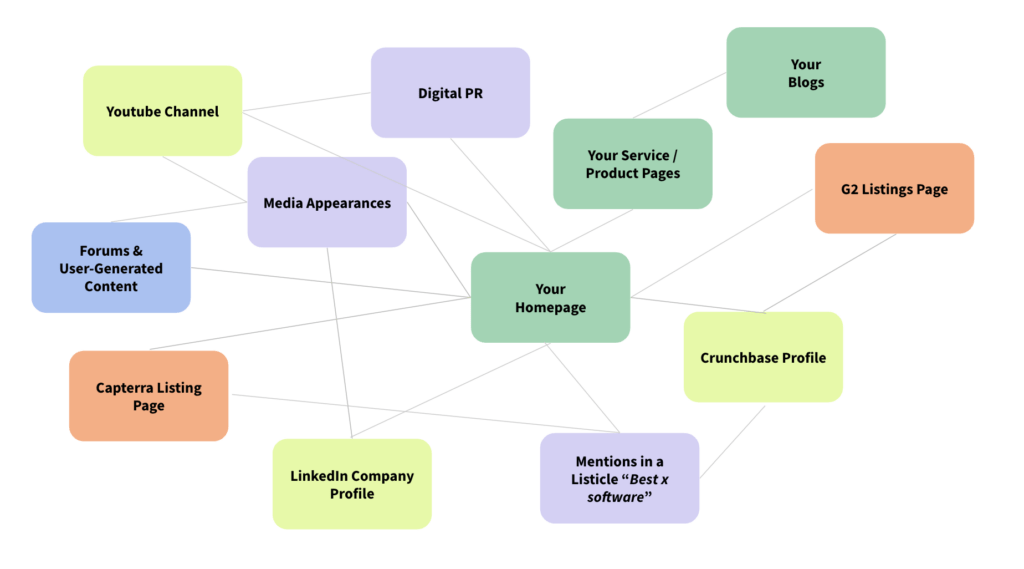
Google’s modern ranking systems evaluate your entire website’s expertise on a topic, not just one page.
By consistently publishing interconnected blog content, you:
- Strengthen your authority in a niche
- Improve relevance signals across your domain
- Increase ranking potential for service pages
This is known as topic clustering, where supporting blogs reinforce a central “pillar page.”
Book a 15-minute introductory SEO strategy call
3. Visibility in AI Search Results (AI Overviews & Generative Search)
Search is shifting toward AI-generated answers. Platforms like Google AI Overviews extract insights from high-authority pages and summarize them directly on the results page.
To appear in these summaries, your content must:
- Answer questions clearly and directly
- Demonstrate expertise and trustworthiness
- Provide structured, factual, and updated information
Well-structured blogs significantly increase your chances of being referenced in AI-generated responses.
4. Blogs Build Trust Before the First Conversion Happens
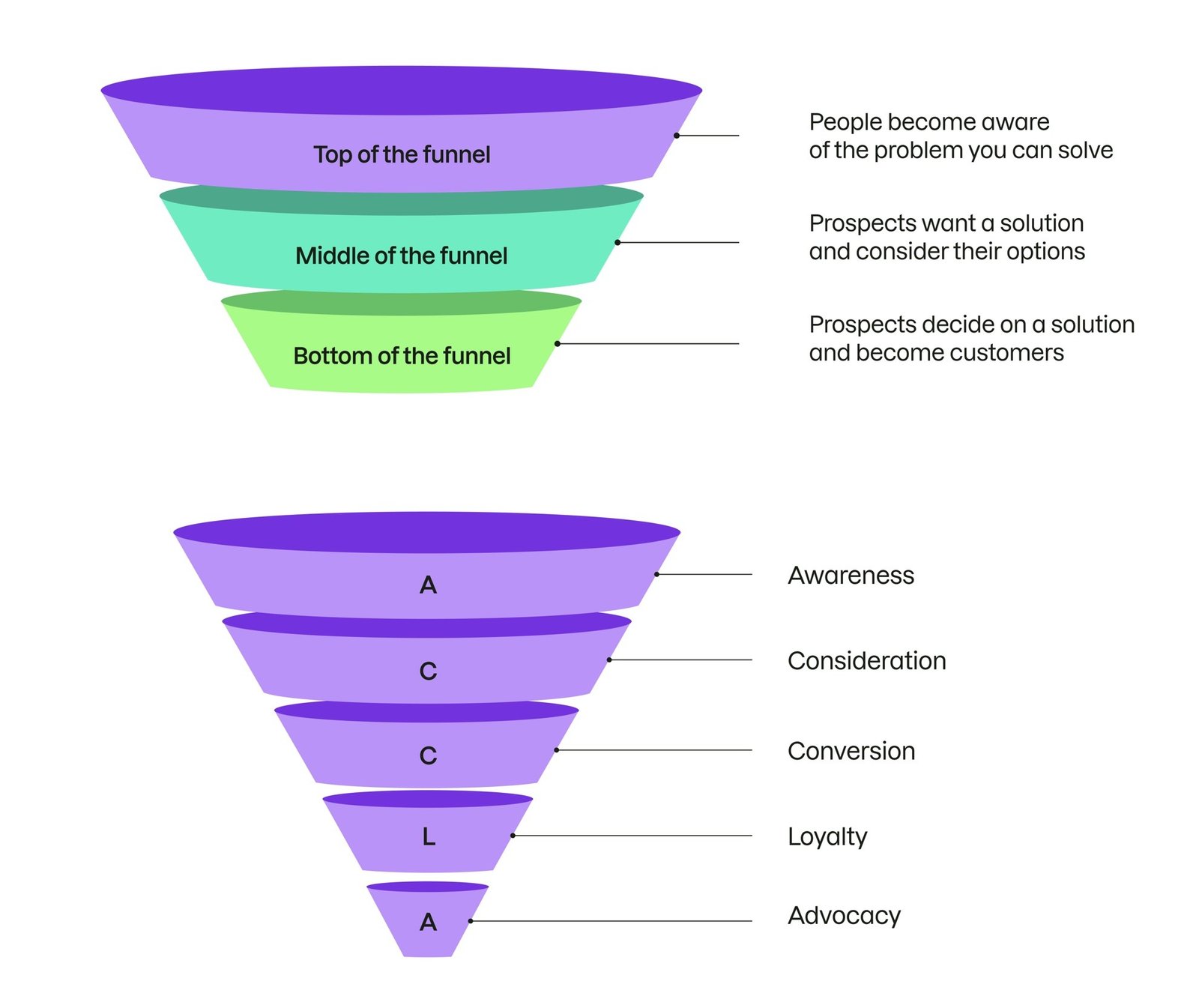
Modern users rarely convert immediately. They research, compare, and validate.
High-quality blogs help you:
- Educate potential customers
- Reduce buying friction
- Build early-stage trust
- Position your brand as an authority
This is where EEAT becomes critical—Experience, Expertise, Authoritativeness, and Trustworthiness.
What Changed in SEO Blogging (2026 Updates You Must Know)
Google’s Helpful Content System Is Now Fully Integrated into Core Ranking
Content is evaluated based on whether it was created for users—not search engines. Thin, repetitive, or AI-spun content can reduce your entire site’s visibility.
Key implication:
Every blog must demonstrate real value, insight, or original perspective.
Reference: Google Search Central Blog
Book a 15-minute introductory SEO strategy call
Engagement Signals Now Influence Rankings More Strongly
Search engines increasingly measure:
- Time on page
- Scroll depth
- Interaction rate
- Return visits
This means your blog must be structured for readability and engagement—not just keyword placement.
Indexing Prioritization Has Become Stricter
Low-quality pages may not get indexed at all. Google prioritizes:
- Helpful content
- Updated pages
- Structured information
Poorly written blogs can dilute your crawl efficiency and reduce indexing speed for important pages.
Book a 15-minute introductory SEO strategy call
How to Create High-Performance SEO Blog Content (Step-by-Step Framework)
Step 1: Start with Search Intent, Not Topics
Instead of choosing random topics, reverse-engineer from customer intent:
Ask:
- What is my audience trying to solve?
- What questions do they ask before buying?
- What confusions slow down conversions?
Tools you can use:
Step 2: Build a Clear Content Structure (SEO + UX Optimized)
A high-ranking blog should always follow this structure:
- Hook Introduction
Clearly define the problem and promise value.
- Core Insights Section
Break into scannable H2 and H3 sections.
- Actionable Steps
Provide real-world implementation advice.
- Supporting Proof
Use data, examples, or case references.
- Conclusion + CTA
Guide users toward the next action.
Book a 15-minute introductory SEO strategy call
Step 3: Strengthen Internal Linking Strategy
Internal links help Google understand your website hierarchy and distribute authority.
Recommended internal links for DigiTotal:
- SEO Services Page → /seo-services
- Content Marketing Services → /content-marketing
- Digital Marketing Strategy Blog → /blog/digital-marketing-strategy
- Local SEO Guide → /blog/local-seo-guide-2026
Best practice:
Use descriptive anchor text like “advanced SEO strategy services” instead of generic phrases like “click here.”
Step 4: Focus on Depth, Not Word Count
In 2026, ranking is not about length—it’s about completeness.
A strong blog should:
- Fully answer user questions
- Anticipate follow-up queries
- Include examples and frameworks
- Remove unnecessary filler content
Ideal range:
- 900–2000 words depending on topic complexity
Step 5: Add FAQ Sections for SEO + AI Visibility
FAQs improve:
- “People Also Ask” visibility
- Voice search ranking
- AI answer extraction
Book a 15-minute introductory SEO strategy call
Common SEO Blogging Mistakes That Hurt Rankings
- Publishing Without Strategy
Random blogs create keyword cannibalization and confuse search engines.
- Rewriting Existing Content Without Adding Value
Search engines can detect low-effort rewrites.
- Ignoring Internal Linking
This leads to isolated pages that don’t build authority.
- Overusing Keywords
Keyword stuffing reduces readability and trust signals.
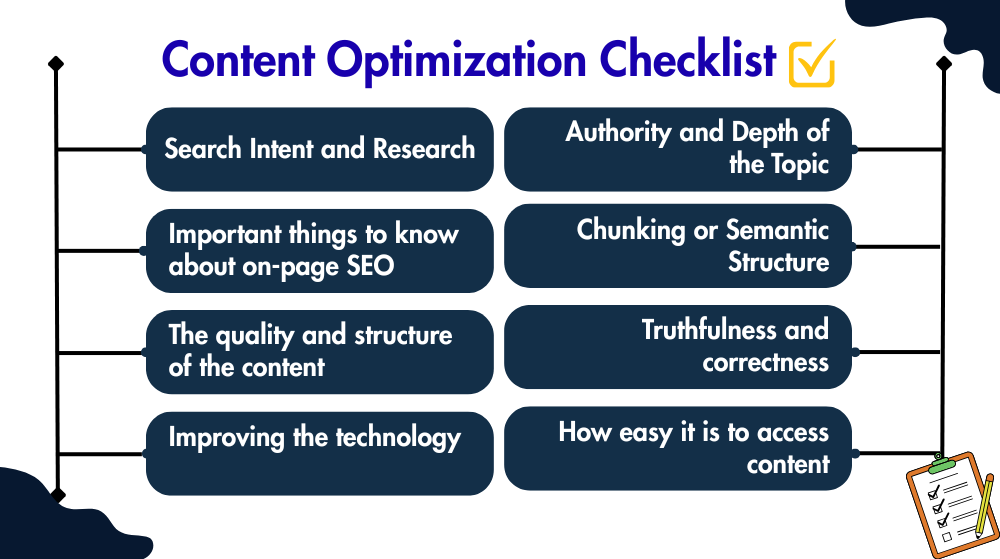
EEAT Optimization Checklist for Blogging
To improve ranking potential:
- Add author expertise signals (bio, experience, credentials)
- Include real-world examples or case insights
- Keep content updated regularly
- Use credible external references
- Maintain brand consistency across all blogs
Book a 15-minute introductory SEO strategy call
Conclusion: Blogging Is Now a Long-Term SEO Asset, Not a Short-Term Tactic
SEO blogging in 2026 is no longer about publishing frequently—it’s about publishing intelligently.
Websites that succeed are those that:
- Build topical authority over time
- Align content with user intent
- Follow EEAT principles
- Structure content for both humans and AI systems
When done correctly, blogging becomes your most powerful organic acquisition channel—driving traffic, trust, and conversions continuously without paid ads.
FAQ: SEO Blogging in 2026
- How often should I publish blog posts for SEO?
Quality matters more than frequency. Most businesses perform well with 2–4 high-quality posts per month.
- How long does SEO blogging take to show results?
Typically 3–6 months depending on competition, domain authority, and content quality.
- Do AI-generated blogs rank on Google?
Yes, but only if they are high-quality, helpful, and meet EEAT standards. Low-value AI content may be ignored or de-ranked.
- What is the best blog structure for SEO?
Hook introduction → structured headings → actionable insights → conclusion → FAQ section.
- Why are internal links important in blogs?
They help distribute SEO authority, improve crawlability, and guide users through your website.