Introduction: Why AI Marketing Funnels Are Now a Business Necessity (Not an Option)
Marketing in 2026 is no longer about manual segmentation, guesswork campaigns, or static funnels. Today, customers interact with brands across multiple touchpoints—search engines, social media, AI assistants, and voice-based platforms—often before they even land on your website.
This shift has made one thing clear: traditional marketing funnels are outdated unless powered by Artificial Intelligence (AI).
AI now enables businesses to predict customer behaviour, automate personalised engagement, and optimise conversions in real time. From awareness to retention, every stage of the funnel can now be self-learning and performance-driven.
In this guide, you’ll learn how to transform your entire marketing funnel using AI-powered systems aligned with the latest 2026 digital marketing trends.
Book a 15-minute AI Marketing Strategy Call
What Is an AI-Powered Marketing Funnel? (2026 Definition)
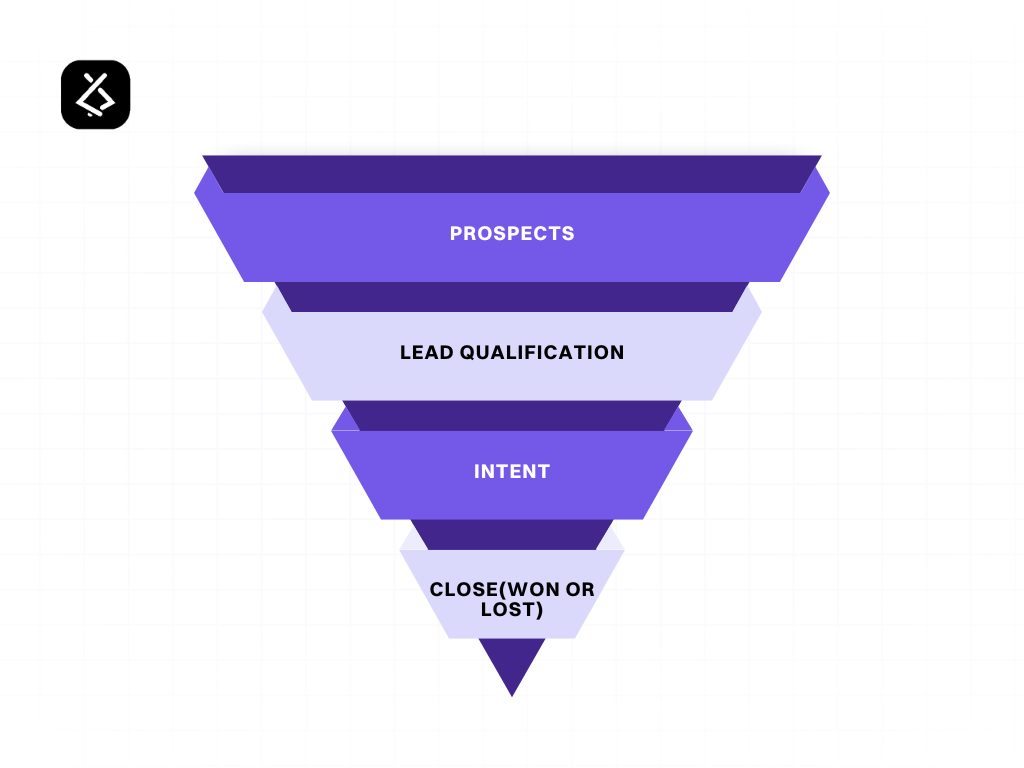
An AI-powered marketing funnel is a dynamic system that uses machine learning, predictive analytics, and automation to guide users from awareness to conversion and retention—while continuously improving itself.
Unlike traditional funnels, an AI funnel:
- Learns from user behaviour in real time
- Automatically personalises messaging and offers
- Predicts buying intent before users convert
- Optimises campaigns without constant manual intervention
Modern AI funnels are deeply integrated with platforms like:
- Google (Search + Ads + Analytics ecosystem)
- Meta Platforms (social targeting & ad automation)
- HubSpot (CRM + automation workflows)
Get a Free Funnel Audit Report
Stage 1: Awareness — AI-Powered Audience Discovery & Smart Reach
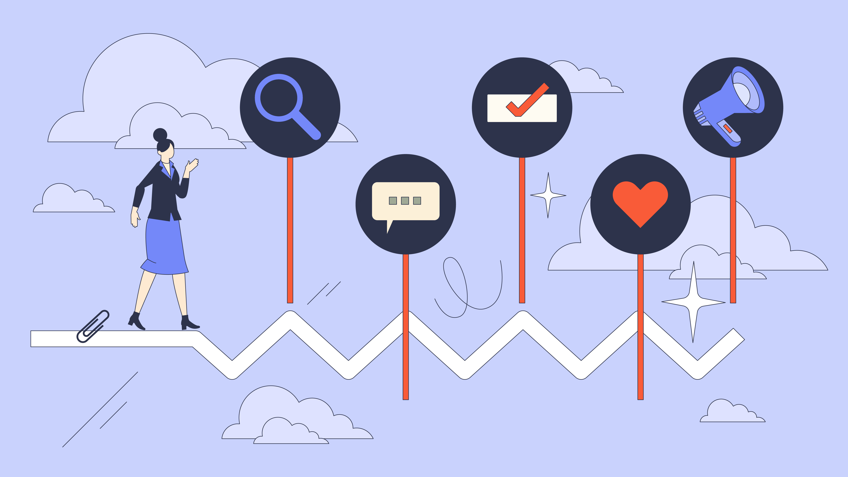
The awareness stage is no longer about “reaching everyone.” It is about reaching the right people at the right intent moment.
1. Predictive Audience Targeting
AI tools now analyse:
- Search intent patterns
- Social engagement signals
- Past purchase behaviour
- Cross-platform activity
This helps identify users who are most likely to convert in the future, not just those who are currently active.
2. AI-Generated Content Distribution
In 2026, content creation is only half the job. AI systems now decide:
- Which content format performs best (video, short-form, blog)
- Where it should be distributed
- When users are most likely to engage
Google AI updates: https://blog.google/technology/ai/
3. AI Chatbots for First Touch Engagement
Modern AI chat systems act as 24/7 digital sales assistants, answering queries instantly and capturing leads automatically.
EEAT Insight (Expert Tip)
Brands using AI-based targeting reduce acquisition costs by focusing only on high-intent micro-audiences, rather than broad demographic targeting.
Book a 15-minute AI Marketing Strategy Call
Stage 2: Consideration — Hyper-Personalisation at Scale
At this stage, users are evaluating options. AI ensures your brand becomes the most relevant choice.
1. Micro-Segmentation Using Machine Learning
AI divides audiences into behavioural clusters such as:
- Price-sensitive buyers
- High-intent researchers
- Repeat engagement users
- Cart abandoners
2. Predictive Content Recommendations
AI systems automatically show:
- Relevant blog posts
- Case studies
- Product comparisons
- Testimonials
This increases time-on-site and trust signals.
3. Intelligent Email Marketing Automation
Platforms like HubSpot and Mailchimp now use AI to:
- Personalise subject lines
- Predict send times
- Adjust offers per user behaviour
Real Example
If a user reads your SEO services page, AI can automatically trigger:
- Case study email
- Pricing guide
- Consultation CTA
Book a 15-minute AI Marketing Strategy Call
Stage 3: Decision — AI-Powered Conversion Optimisation (CRO 2026)
This is the most critical stage where AI removes friction and increases conversions.
1. AI Landing Page Optimisation
AI tools now test:
- Headlines
- CTA placement
- Colour psychology
- Scroll behaviour
Platforms like Google Optimize and other CRO tools adjust pages automatically based on performance data.
Click here to know more about CRO insights: https://neilpatel.com/blog/.
2. Predictive Lead Scoring
AI assigns conversion probability scores based on:
- Engagement level
- Session duration
- Return visits
- Content interaction depth
This allows businesses to focus only on hot leads.
3. AI Chat-Based Sales Assistance
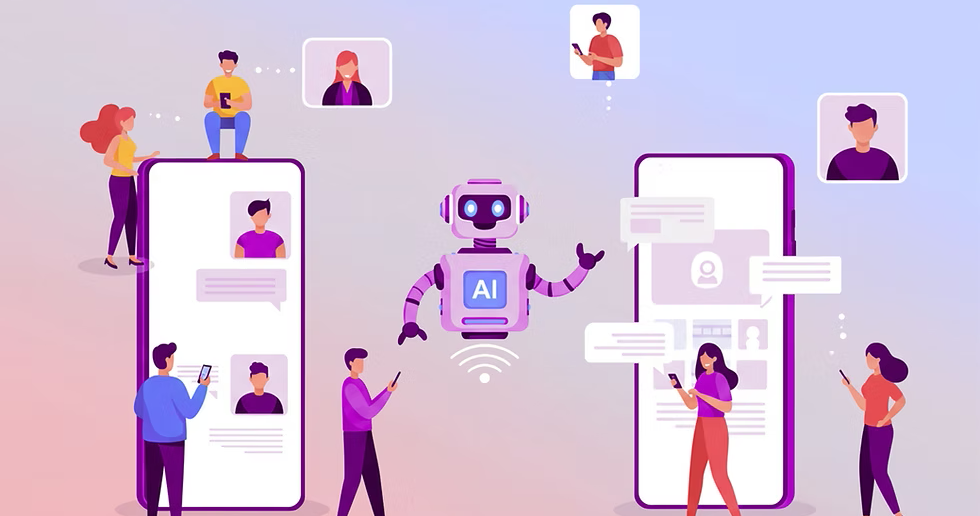
Advanced conversational AI now:
- Handles objections in real time
- Shares pricing instantly
- Books meetings automatically
Conversion Insight
Businesses using AI-driven CRO strategies see significantly lower drop-off rates at checkout and enquiry stages.
Book a 15-minute AI Marketing Strategy Call
Stage 4: Retention — Turning Customers into Long-Term Revenue
Retention is now the most profitable stage of the funnel in 2026.
1. Predictive Customer Lifetime Value (CLV)
AI identifies:
- High-value repeat buyers
- At-risk customers
- Upsell opportunities
2. AI Customer Support Systems
AI support tools now provide:
- Instant ticket resolution
- Multilingual support
- Sentiment analysis for complaints
3. Smart Product Recommendations
AI ensures customers continue engaging through:
- Personalised upsells
- Cross-sell suggestions
- Subscription reminders
Get a Free Funnel Audit Report
Essential AI Tools for Building a Modern Marketing Funnel
To implement an AI-powered funnel, businesses rely on:
- Google Analytics 4 (behaviour tracking & attribution)
- HubSpot CRM (automation & lead scoring)
- ChatGPT (content generation & automation workflows)
- Salesforce (enterprise AI CRM intelligence)
- Adobe Experience Cloud (personalisation & analytics)
Challenges of AI Marketing Funnel Implementation
1. Data Privacy & Compliance
Businesses must comply with global data laws like:
- GDPR (EU)
- Data Protection regulations (India and global standards)
2. Over-Automation Risk
AI should support human strategy—not replace it entirely. Emotional branding still requires human creativity.
3. Integration Complexity
Most businesses struggle with connecting:
- CRM systems
- Ad platforms
- Analytics tools
This is where expert implementation becomes critical.
Book a 15-minute AI Marketing Strategy Call
EEAT: Why Trust Matters in AI Marketing (2026 Standard)
Search engines now prioritise content that demonstrates:
- Experience (real implementation knowledge)
- Expertise (technical accuracy)
- Authority (industry relevance)
- Trustworthiness (transparent, ethical usage of AI)
At DigiTotal, AI funnel strategies are built around real campaign data, not theoretical models.
Conclusion: The Future of Marketing Funnels Is Fully AI-Driven
AI is no longer just improving marketing—it is rebuilding how funnels function entirely.
Businesses that adopt AI-powered funnels in 2026 gain:
- Lower acquisition costs
- Higher conversion rates
- Better customer retention
- Fully automated optimisation systems
The future belongs to brands that combine AI efficiency with human strategy.
If your funnel is still manual, you are already behind.
Book a 15-minute AI Marketing Strategy Call
FAQs: AI Marketing Funnel (2026)
1. What is an AI marketing funnel?
An AI marketing funnel uses machine learning and automation to guide users from awareness to conversion with personalised experiences.
2. Is AI replacing traditional marketing funnels?
No. It enhances them by automating decisions, improving targeting, and increasing efficiency.
3. Which industries benefit most from AI funnels?
E-commerce, SaaS, healthcare, education, real estate, and service-based businesses.
4. Do small businesses need AI marketing funnels?
Yes. AI helps small businesses compete with larger brands by reducing marketing waste.
5. What is the biggest advantage of AI in marketing funnels?
Real-time personalisation and predictive decision-making.