
Introduction: The New Reality of AI Search Visibility
Search is no longer just about rankings—it’s about visibility inside AI-generated answers.
In 2026, platforms like Google now surface AI Overviews (formerly SGE-style results) that summarize content directly on the search page. This shift means users often get answers without clicking websites, creating a major challenge for marketers: you may be visible but not receiving traffic.
That’s why modern SEO is no longer just “ranking tracking.” It now includes:
- AI Overview mentions
- Citation tracking inside AI-generated answers
- Click loss measurement
- Hidden traffic detection
- Brand visibility in zero-click search environments
This guide breaks down exactly how to track these metrics using practical, up-to-date SEO systems designed for the AI-first search era.
Book a free 15-minute SEO strategy call
Link with tel:0416968210
What Are AI Overviews in 2026?
AI Overviews Explained (Modern Search Experience)
AI Overviews are AI-generated summaries shown at the top of search results. They combine information from multiple sources and present a direct answer without requiring users to click websites.
Google’s system (part of its evolving AI search experience) uses models similar to generative AI to:
- Summarize web pages
- Extract key facts
- Provide citations (sometimes clickable, sometimes not)
- Reduce the need for multiple search clicks
Official reference:
Google Search Central Documentation
Book a free 15-minute SEO strategy call with our team
Why AI Overviews Change SEO Completely
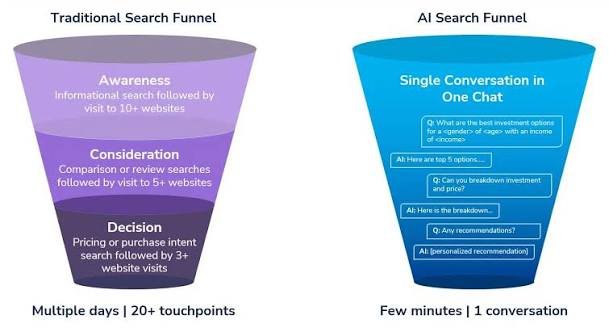
Traditional SEO focused on ranking position.
Now SEO depends on:
- Whether your content is used in AI summaries
- Whether your brand is cited as a source
- Whether users still click after reading AI answers
This introduces a new metric: visibility without traffic.
Click here to know more about Search engine optimization.
Tracking Mentions and Citations in AI Search
What Counts as a Mention vs Citation?
Mentions
A mention happens when your brand, product, or content appears in:
- Blogs
- News articles
- Reddit discussions
- Social media posts
- AI-generated summaries
Citations
A citation is when your website is used as a source of truth in:
- AI Overviews
- Research articles
- Authority blogs
- News reports
Citations matter more than mentions because they signal authority and trust (EEAT signals).
Why Mentions & Citations Matter for EEAT
Google’s ranking systems increasingly rely on EEAT:
- Experience
- Expertise
- Authoritativeness
- Trustworthiness
When your content is cited in AI systems, it strengthens:
- Domain authority
- Brand recognition
- Search visibility
- Content reliability signals
Tools to Track Mentions and Citations (2026 Stack)
- Google Alerts
Monitor brand or keyword mentions in real time
Google Alerts
- BuzzSumo
Track content reach, backlinks, and mentions
BuzzSumo
- Brand Monitoring Platforms
Advanced AI tracking tools now detect:
- AI Overview citations
- Brand co-mentions
- Competitor visibility
Click Loss in the Age of AI Search
What Is Click Loss?
Click loss happens when your rankings stay stable or improve, but organic traffic decreases due to AI-generated answers satisfying user intent directly.
This is one of the biggest SEO disruptions of 2026.
Book a free Strategy Call
Why AI Overviews Reduce Website Clicks
Users often don’t need to visit websites because:
- Answers appear directly in AI summaries
- “People Also Ask” expands inline answers
- Featured snippets resolve queries instantly
- Voice assistants read AI-generated responses
Result: Zero-click searches increase dramatically
How to Measure Click Loss Accurately
- Google Search Console
Track:
- Impressions vs clicks
- CTR drops per keyword
- Page visibility trends
- Google Analytics 4 (GA4)
Analyze:
- Traffic source shifts
- Engagement drop despite stable rankings
- Landing page performance changes
- SEO Tools (Ahrefs / SEMrush)
Used to compare:
- Keyword rankings
- Traffic estimates
- SERP feature changes
Hidden Traffic: What Google Doesn’t Show You
The Data Gap Problem in 2026 SEO
Even advanced analytics tools cannot fully track:
- AI assistant traffic (ChatGPT-style referrals, voice AI responses)
- Dark social sharing (WhatsApp, private messages)
- Cross-device journeys
- Unattributed direct visits
- AI summarization exposure (seen but not clicked)
Types of Hidden Traffic You Should Track
- Dark Social Traffic
Traffic from:
- Telegram
- Email forwards
- Private DMs
- AI Assistant Traffic
Users consuming your content via:
- Voice assistants
- AI search engines
- Browser-integrated AI tools
- Cross-Platform Referral Loss
Traffic that loses attribution due to:
- Cookie restrictions
- Privacy updates
- App-based browsing
How to Track Hidden Traffic
Use UTM Parameters
Add tracking tags to every campaign URL:
Example:
?utm_source=instagram&utm_campaign=ai_seo
Use Link Shorteners
Platforms like Bitly help track:
- Click volume
- Source location
- Engagement patterns
AI Analytics Tools
Modern AI dashboards can:
- Predict user journey drop-offs
- Detect unseen engagement signals
- Model search visibility beyond clicks
Best Practices to Track AI Search Performance in 2026
- Monitor AI Overview Presence Weekly
Track:
- Whether your domain appears in AI answers
- Whether competitors are preferred over you
- Build a Citation-First SEO Strategy
Focus on:
- Data-backed content
- Expert-driven writing
- Original insights and statistics
- Strengthen Social Listening
Use tools like:
- Hootsuite → https://www.hootsuite.com
- Sprout Social → https://sproutsocial.com
Track:
- Brand sentiment
- Viral discussions
- Competitor mentions
- Combine SEO + AI Analytics
Modern SEO requires merging:
- Traditional keyword tracking
- AI visibility tracking
- Engagement analytics
- Brand mention monitoring
Conclusion: SEO in 2026 Is About Visibility, Not Just Traffic
The evolution of AI search has fundamentally changed how websites grow.
Success today depends on your ability to:
- Track AI Overview visibility
- Measure citation presence
- Understand click loss patterns
- Identify hidden traffic sources
- Build authority-driven content ecosystems
SEO is no longer just about ranking on page one—it’s about being included in the answer itself.
Book a free Strategy Call
FAQs: Tracking AI Overviews & SEO Visibility
1. What are AI Overviews in Google search?
AI Overviews are AI-generated summaries that appear at the top of search results, combining information from multiple sources to answer queries instantly.
2. Why is click-through rate dropping in 2026 SEO?
CTR drops because AI summaries often answer user queries directly, reducing the need for website visits.
3. How do I know if my website is cited in AI Overviews?
Use Google Search Console, brand monitoring tools, and manual SERP tracking to identify citation appearances.
4. What is hidden traffic in SEO?
Hidden traffic includes visits that are not fully tracked, such as dark social shares, AI assistant referrals, and privacy-restricted analytics gaps.
5. How can businesses reduce click loss?
Improve content depth, target high-intent queries, and build authority so users still click for deeper insights beyond AI summaries.
6. Which tools are best for AI SEO tracking?
Google Search Console, GA4, Ahrefs, SEMrush, BuzzSumo, and social listening tools are essential in 2026.