
Introduction: Why Google AI Mode Matters in 2026
Search, apps, and digital assistants are no longer just “tools”—they’re becoming intelligent systems that understand intent, context, and behavior. At the center of this shift is Google AI Mode, a layer of advanced artificial intelligence integrated across products like Search, Assistant, Maps, Photos, and Translate.
Instead of simply retrieving information, modern systems built by Google now interpret meaning, predict needs, and generate personalized responses in real time. This evolution is reshaping SEO, digital marketing, and how users interact with the internet.
In this guide, we’ll break down what Google AI Mode really is in 2026, how it works behind the scenes, its key technologies, real-world use cases, challenges, and what it means for businesses and SEO.
Book a 15-minute AI SEO strategy call
What Is Google AI Mode? (Simple Definition)
Google AI Mode is a unified AI-driven intelligence layer that powers Google’s ecosystem. It uses machine learning, natural language understanding, and generative AI to make Google services more human-like, predictive, and personalized.
Unlike traditional systems that follow fixed rules, AI Mode continuously learns from:
- User behavior patterns
- Search intent and context
- Real-time environmental data
- Multimodal inputs (text, voice, image, video)
In simple terms:
Google AI Mode transforms Google from a “search engine” into an AI-powered answer engine and personal assistant ecosystem.
Core Technologies Behind Google AI Mode (2026 Update)
Google AI Mode is built on several advanced AI pillars that work together in real time.
1. Machine Learning (ML)
Machine learning allows Google systems to improve automatically based on data.
Learn more: Machine Learning Overview (Wikipedia)
Example:
If users consistently prefer video results for “how-to” queries, Google adapts rankings accordingly.
2. Natural Language Processing (NLP)
NLP helps Google understand human language the way people actually speak.
In 2026:
NLP is now deeply conversational, enabling AI Overviews and chat-style search results.
Learn more: Google AI & Research
3. Multimodal AI (Text + Image + Voice + Video)
Modern Google AI Mode understands multiple input types at once.
Example:
You can upload a photo of a product, ask “Where can I buy this near me?”, and get instant results.
4. Computer Vision
Used in Google Photos and Lens to detect objects, people, places, and text inside images.
5. Speech Recognition
Enables voice-first interactions via Google Assistant and Android devices.
6. Generative AI (2026 Breakthrough Layer)
This is the biggest shift in recent years. Google now generates:
- Summarized answers (AI Overviews)
- Context-aware explanations
- Personalized recommendations
- Content drafts and suggestions
Book a 15-minute AI SEO strategy call
How Google AI Mode Works (Step-by-Step)
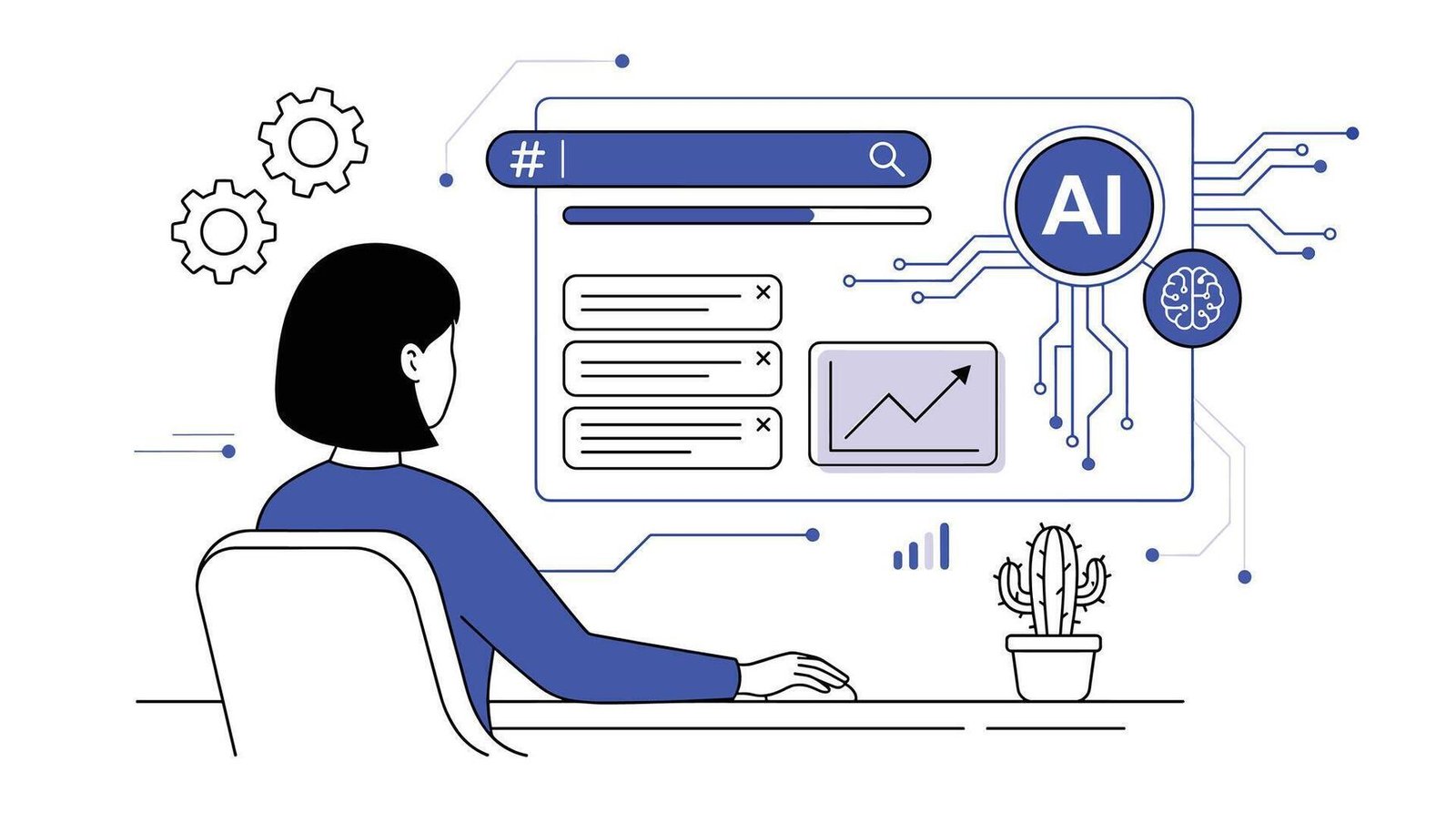
Google AI Mode follows a multi-layer process:
Step 1: Data Collection
Inputs come from search queries, apps, location signals, and user interactions.
Step 2: Intent Detection
AI identifies what the user actually wants—not just keywords.
Step 3: Context Analysis
It evaluates:
- Location
- Device
- Past behavior
- Real-time trends
Step 4: AI Processing (Gemini-powered systems in 2026)
Advanced models generate:
- Ranked search results
- AI summaries
- Predictive answers
Step 5: Personalization Layer
Results are refined based on user preferences and history.
Book a 15-minute AI SEO strategy call with our team
Real-World Applications of Google AI Mode

1. Google Search (AI Overviews Era)
Search is now AI-first. Instead of 10 blue links, users often see:
- AI-generated summaries
- Step-by-step answers
- Contextual recommendations
SEO Impact:
Content must now be optimized for AI Overview visibility, not just rankings.
2. Google Assistant (Smart Automation)
Google Assistant now acts like a proactive AI agent:
- Suggests reminders automatically
- Plans routes based on traffic prediction
- Sends proactive alerts (weather, meetings, travel)
3. Google Photos (Smart Organization)
AI automatically:
- Groups faces and events
- Detects objects (beach, food, documents)
- Creates highlight reels and albums
4. Google Translate (Context-Aware Translation)
Instead of literal translation, AI Mode now understands tone and intent.
Example:
It distinguishes between formal business language and casual speech.
Book a 15-minute AI SEO strategy call with our team
2026 SEO Insight: Why Google AI Mode Changes Everything
Google is no longer just indexing content—it is interpreting and summarizing it.
Key SEO shifts:
- AI Overviews dominate top-of-page visibility
- Semantic relevance matters more than keywords
- E-E-A-T signals (Experience, Expertise, Authority, Trust) are critical
- Structured data increases visibility in AI answers
Challenges of Google AI Mode
1. Privacy Concerns
AI systems rely heavily on user data. Google provides controls via privacy dashboards, but data usage transparency remains a concern.
Official info: Google Privacy Policy
2. AI Bias
If training data is unbalanced, AI outputs may reflect bias.
To reduce this, Google uses diverse datasets and continuous model evaluation.
3. Over-Reliance on AI
Users may become dependent on AI-generated answers instead of critical thinking or verification.
Future of Google AI Mode (Beyond 2026)
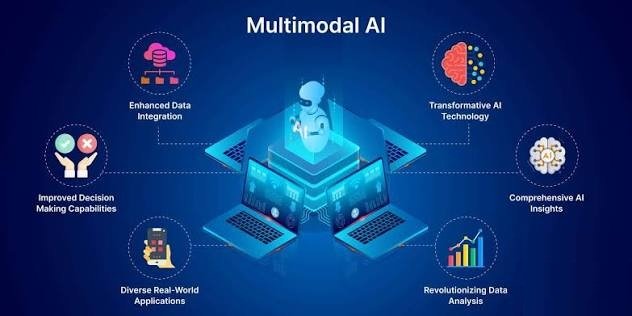
The next phase of Google AI Mode will likely include:
- Fully autonomous AI agents handling tasks end-to-end
- Deeper integration with wearable devices
- Real-time personalized web experiences
- Predictive search (answers before you ask)
- Stronger on-device AI processing for privacy
Developers are already building on tools like Vertex AI:
Google Vertex AI
Book a 15-minute AI SEO strategy call with our team
How Businesses Can Adapt (Important for SEO & Marketing)
To stay visible in AI-driven search:
Focus on:
- High-quality, structured content
- Topic authority (not just keywords)
- FAQ-rich pages
- Schema markup
- Real-world expertise and case studies
FAQ: Google AI Mode (2026)
1. What is Google AI Mode in simple terms?
It is Google’s AI system that powers smarter search, assistant, and app experiences using machine learning and generative AI.
2. Is Google AI Mode the same as Google Search?
No. Search is one part of it. AI Mode powers Search, Photos, Maps, Assistant, and more.
3. How does Google AI Mode affect SEO?
It shifts SEO toward semantic relevance, structured data, and AI Overview optimization.
4. Can businesses optimize for Google AI Mode?
Yes. By improving content quality, using schema markup, and focusing on user intent.
5. Is Google AI Mode safe for privacy?
Google provides privacy controls, but users should still manage data sharing settings carefully.
6. What is the future of Google AI Mode?
It is moving toward fully conversational, predictive, and autonomous AI systems integrated across all devices.
Book a 15-minute AI SEO strategy call with our team
Conclusion: Why Google AI Mode Is a Major Digital Shift
Google AI Mode represents a fundamental transformation in how information is discovered and consumed. Instead of static search results, users now experience dynamic, intelligent, and personalized answers powered by AI.
For businesses and marketers, this is not just an update—it is a new SEO era. Those who adapt early with AI-optimized content strategies will dominate visibility in 2026 and beyond.
DigiTotal can help you transition into this AI-first search ecosystem with strategic SEO, content, and digital transformation services.