What Is Information Gain in SEO and Why It Matters in 2026?
SEO in 2026 is no longer just about keywords, backlinks, or publishing longer articles than competitors. Search engines—especially Google’s AI-driven ranking systems and AI Overviews—are now focused on one core idea:
Does your content add something new to the internet, or just repeat what already exists?
This is where Information Gain in SEO becomes critical.
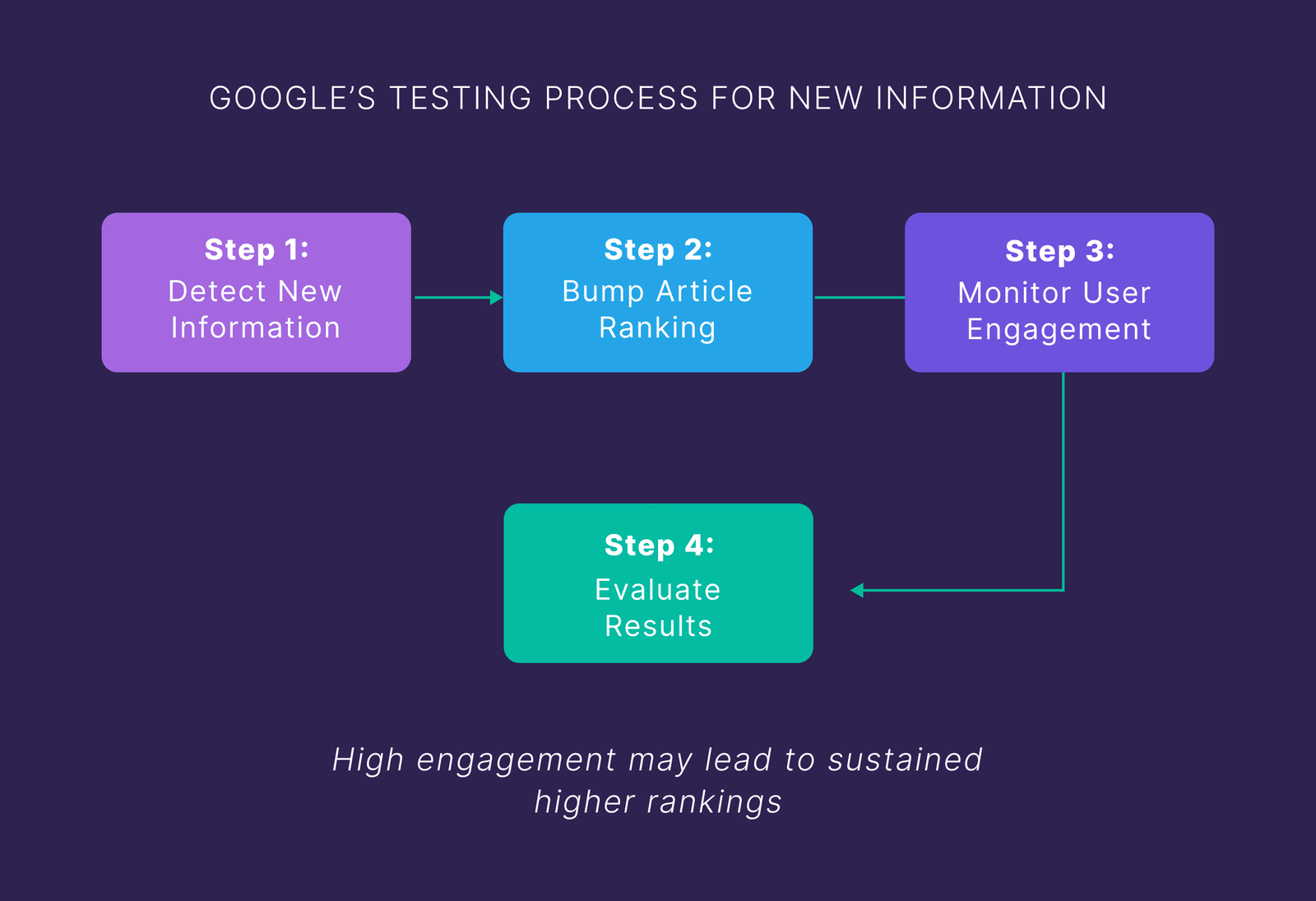
In simple terms, information gain measures how much unique, useful, and non-duplicated value your content adds compared to existing search results. If your page only rephrases what’s already ranking, it has low information gain. If it introduces new data, insights, examples, or perspectives, it has high information gain—and stronger ranking potential.
Today, Google’s systems (including helpful content signals and AI-powered ranking layers) are increasingly designed to prioritize content that:
- Expands understanding of a topic
- Introduces original insights or data
- Solves user intent better than existing pages
- Reduces redundancy in search results
This shift is reshaping SEO strategy completely.
How Information Gain Changed SEO in the AI Search Era (2025–2026 Update)
SEO has evolved beyond traditional ranking factors. While backlinks, technical SEO, and page speed still matter, they are no longer enough.
In 2026, search systems increasingly rely on:
- AI-generated summaries (Google AI Overviews / SGE evolution)
- Semantic understanding of content depth
- Entity-based indexing (topics, not just keywords)
- Content originality scoring signals
- User satisfaction modeling (engagement + fulfillment)
Key shift:
Instead of asking “Is this optimized?”, Google now asks:
“What does this page add that other pages don’t?”
That is the essence of information gain.
What Information Gain Really Means (Simple Breakdown)
Information gain in SEO evaluates:
- Novelty → Is this information new or repetitive?
- Depth → Does it explain beyond surface level?
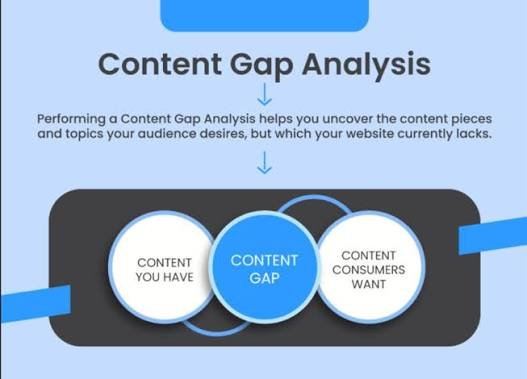
- Coverage gaps → Does it fill missing angles in the topic?
- User value → Does it help users make better decisions?
- Perspective uniqueness → Does it offer a different viewpoint or data?
Example:
If 10 articles explain “What is SEO?”, and your article adds:
- Real case study from 2026 ranking updates
- Original survey data from your audience
- New AI search optimization framework
- Expert insights from industry professionals
👉 Your content has significantly higher information gain.
Why Information Gain Is Now a Ranking Signal in Practice
While Google does not publicly show an “information gain score,” multiple ranking systems indirectly measure it through:
- Content similarity detection across the web
- Embedding-based semantic comparison
- Topical authority evaluation
- Engagement signals (time, satisfaction, pogo-sticking)
- AI Overviews citation selection patterns
What this means for SEO:
Pages that add new knowledge layers are more likely to:
- Appear in AI Overviews
- Rank for competitive keywords
- Earn topical authority faster
- Reduce dependency on backlinks alone
How Google Evaluates Content Uniqueness (Modern Approach)
Google now evaluates content using a mix of:
- Semantic Comparison
Your content is compared to existing indexed pages to detect overlap and redundancy.
- Entity Understanding
Google identifies entities like tools, concepts, people, and relationships—not just keywords.
- User Satisfaction Signals
- Click satisfaction
- Scroll depth
- Return-to-SERP behavior
- Engagement time
- Content Coverage Depth
Does your content fully answer the topic or only partially?
Click here to learn more about Google Helpful Content guidelines.
The Difference Between SEO Information Gain vs Machine Learning Information Gain
These terms are often confused.
| Concept | SEO Information Gain | Machine Learning Information Gain |
|---|---|---|
| Purpose | Improve content uniqueness | Improve model decision splits |
| Focus | Content value vs internet | Data entropy reduction |
| Output | Better rankings & visibility | Better classification accuracy |
👉 In SEO, the goal is user value and originality, not mathematical optimization.
How to Increase Information Gain in Your Content Strategy (2026 Framework)
To rank in modern search, you must deliberately design content that adds new value.
Here’s a practical framework:
1. Build Content That Adds Missing Knowledge (Gap-First Strategy)
Instead of asking “What should I write?”, ask:
“What is missing from existing top-ranking pages?”
Use:
- Google Search Console queries
- “People Also Ask” expansion
- Competitor content mapping
- Reddit discussions and forums
- AI Overviews result analysis
📌 Goal: Identify unanswered subtopics and weak explanations.
Click here to know more about Ahrefs blog (content marketing studies)
2. Add Original Data or First-Hand Insights
Originality is the strongest information gain booster.
Examples:
- Industry surveys
- Customer behavior analytics
- Case studies from real projects
- Internal performance data
- Experimental SEO tests
💡 Even small datasets outperform generic summaries.
3. Bring Expert or Real-World Perspectives
Content becomes more trustworthy when it includes:
- Expert interviews
- Practitioner insights
- Founder or operator viewpoints
- Real client experiences
This increases both:
- Information gain
- E-E-A-T strength
4. Align Content with Search Intent Layers
Modern SEO requires mapping content across the user journey:
- Awareness → Intro guides
- Consideration → Comparisons
- Decision → Product/service pages
- Retention → Advanced insights
👉 Better alignment = deeper engagement = higher perceived value.
5. Use “Differentiator Keywords” (Low-Competition Intent Keywords)
Instead of targeting only high-volume keywords, include:
- Long-tail queries
- Problem-specific phrases
- Emerging AI search queries
- Reddit-style conversational searches
Example:
Instead of “SEO tips,” target:
- “how to improve AI overview visibility in SEO”
- “why my blog is not appearing in Google AI results”
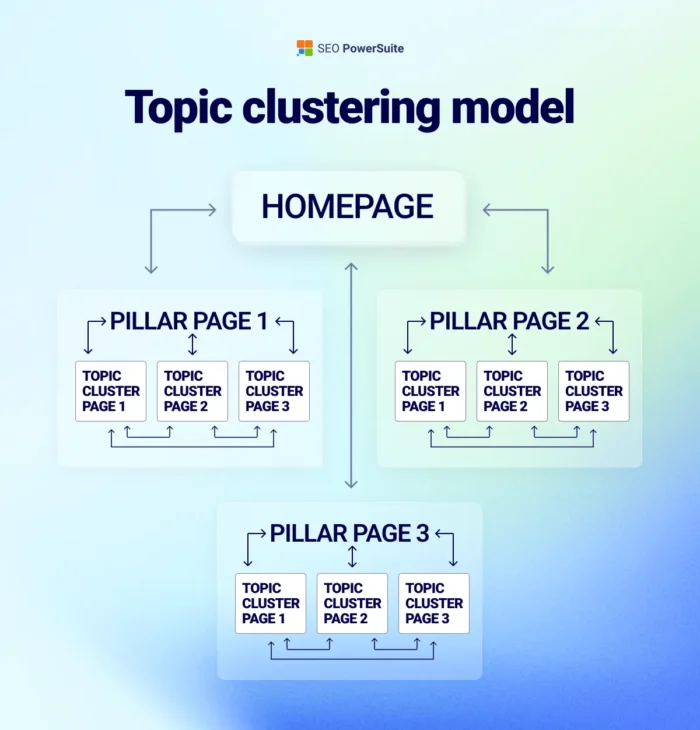
6. Build Topic Clusters (Silo Architecture)
Organize your website into structured content hubs:
- Main pillar page
- Supporting cluster blogs
- Internal linking between related topics
This helps Google understand:
- Your topical authority
- Depth of coverage
- Content relationships
7. Add Contrarian or Non-Obvious Insights
Most content fails because it repeats consensus.
High information gain content often includes:
- “What most SEO guides get wrong…”
- Alternative perspectives
- Real failures and lessons
- Updated 2026 algorithm observations
Conclusion
Information gain is no longer a theoretical SEO concept—it is now a core driver of visibility in modern search systems.
In 2026, winning content is not the longest or most optimized content. It is the content that:
- Adds something new
- Explains better than competitors
- Fills missing knowledge gaps
- Demonstrates real expertise and data
If your content doesn’t increase information gain, it will struggle to compete in AI-driven search environments.
FAQs – Information Gain in SEO
- What is information gain in SEO?
Information gain refers to the unique value or new insights a piece of content adds compared to existing content on the internet.
- Is information gain a Google ranking factor?
While not officially confirmed, Google uses systems that evaluate content uniqueness and coverage depth, which aligns closely with information gain principles.
- How do I improve information gain in my content?
Focus on original data, expert insights, content gaps, and deeper explanations rather than rewriting existing articles.
- Why is information gain important in 2026 SEO?
Because AI-powered search systems prioritize unique, helpful, and non-repetitive content in rankings and AI-generated answers.
- What tools help identify content gaps?
Google Search Console, Ahrefs, Semrush, Reddit research tools, and “People Also Ask” data are commonly used.