
The New SEO Reality: Ranking Isn’t Enough Anymore
Google Search has changed dramatically.
In 2026, earning a traditional first-page ranking is no longer the only goal. Millions of users now receive answers directly from Google AI Overviews before they ever scroll to the organic search results.
When Google’s AI references your website as a trusted source, your business gains premium visibility, authority, and credibility at the exact moment customers are looking for answers.
Most websites are still optimizing for rankings while Google’s AI is selecting sources based on trust, expertise, clarity, and usefulness.
This guide explains exactly how Google AI Overviews work, why citations matter, and the practical strategies businesses can use to increase their chances of being referenced by Google AI, ChatGPT, Gemini, Claude, Perplexity, and other AI-powered search platforms.
Book a 15-minute Free Introductory SEO Consultation Call
What Are Google AI Overviews?
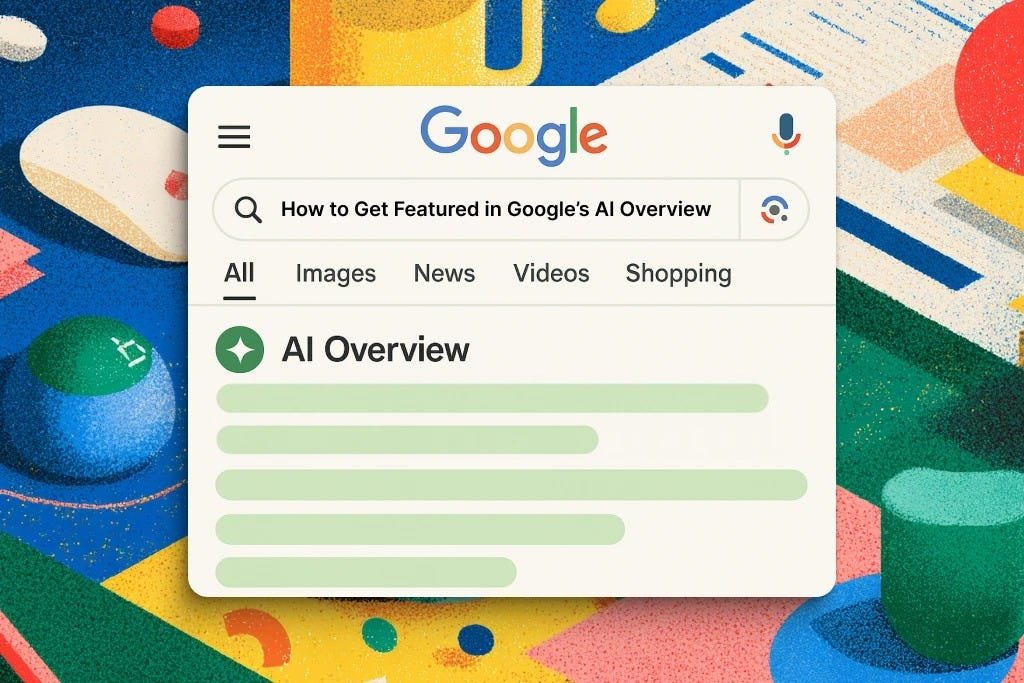
Google AI Overviews are AI-generated summaries that appear at the top of selected search results.
Instead of displaying only a list of links, Google analyzes multiple sources and generates a concise answer to the user’s question. The AI often includes citations and links to websites it used when creating the response.
When your business is cited in an AI Overview, Google is effectively telling users:
“This website is a trustworthy source of information on this topic.”
This creates a significant competitive advantage because users are exposed to your brand before they even consider clicking on traditional search results.
Example Searches That Commonly Trigger AI Overviews
- How much does SEO cost?
- What is local SEO?
- Best CRM for small businesses
- How to choose an accountant
- Website redesign checklist
- Digital marketing strategy examples
- Google Ads vs Facebook Ads
- AI tools for marketing
Why Being Featured in AI Overviews Matters More Than Rankings
Traditional SEO focused heavily on rankings and clicks.
AI-powered search focuses on trust and recommendations.
Businesses that earn citations can benefit from:
Increased Brand Visibility
Your brand appears at the top of search results, often above organic listings.
Enhanced Authority
Google’s AI treats your content as a reliable source worth referencing.
Better Quality Traffic
Users arriving from AI citations are often further along in the buying journey.
Stronger Brand Recall
Even users who don’t click immediately become familiar with your business.
Future-Proof Search Presence
AI-generated search experiences continue expanding across Google, Bing, ChatGPT, Gemini, Perplexity, and other platforms.
How Google Chooses Sources for AI Overviews
Google has not publicly revealed every ranking factor used for AI Overview citations.
However, extensive testing and industry research suggest AI systems consistently favor content that demonstrates:
Expertise
The author or business clearly understands the topic.
Experience
The content reflects real-world knowledge and practical application.
Authority
The website is recognized as a trusted source in its industry.
Trustworthiness
Information is accurate, transparent, current, and verifiable.
These principles align closely with Google’s EEAT framework:
Experience
Expertise
Authoritativeness
Trustworthiness
Websites demonstrating strong EEAT signals appear significantly more likely to be referenced by AI-generated search experiences.
Book a 15-minute Free Introductory SEO Consultation Call
10 Proven Strategies to Increase Your Chances of Being Cited in Google AI Overviews
- Target Questions Instead of Keywords
Many AI Overviews are triggered by questions.
Instead of focusing only on keywords, create content around real customer questions.
Examples
Instead of:
- SEO agency Melbourne
Create:
- How do I choose an SEO agency?
- What should an SEO agency include?
- How much does SEO cost in Australia?
Best Sources for Question Research
- Google People Also Ask
- Google Autocomplete
- Google Search Console
- Customer sales calls
- Support tickets
- Reddit discussions
- Industry forums
- Create “Best Answer” Content
Google AI wants answers, not word count.
Every article should aim to become the most helpful resource available for a specific question.
A high-performing page typically includes:
Clear Definition
Answer the main question immediately.
Step-by-Step Instructions
Provide actionable guidance.
Real Examples
Show practical application.
Common Mistakes
Help readers avoid errors.
FAQs
Address additional user concerns.
Summary
Reinforce key takeaways.
- Structure Content for AI Readability
AI systems process content more effectively when information is organized clearly.
Use:
- Descriptive H2 and H3 headings
- Short paragraphs
- Numbered lists
- Bullet points
- Tables
- Definitions
- Checklists
Avoid:
- Large blocks of text
- Vague headings
- Excessive jargon
- Keyword stuffing
Think of your content as something both humans and AI systems need to understand quickly.
- Demonstrate Real Experience
One of the biggest shifts in modern SEO is Google’s preference for first-hand expertise.
Include:
Case Studies
Show real outcomes.
Client Results
Provide measurable improvements.
Industry Examples
Demonstrate practical knowledge.
Original Research
Share proprietary insights and data.
Personal Experience
Explain how you solved specific problems.
AI systems increasingly favor content that couldn’t have been generated by generic AI tools.
- Build Topical Authority Through Content Clusters
Publishing isolated blog posts is no longer enough.
Google prefers websites that demonstrate depth across an entire topic.
Example Topic Cluster: SEO
Pillar Page
Complete SEO Guide
Supporting Articles
- SEO Cost Guide
- Local SEO Guide
- Technical SEO Checklist
- SEO Audit Guide
- AI SEO Guide
- Link Building Strategies
- SEO Mistakes to Avoid
All pages should link naturally to each other.
This helps search engines understand your expertise across the subject.
- Add Schema Markup
Structured data helps search engines understand your content.
Recommended schema types include:
Article Schema
For blog content.
FAQ Schema
For question-and-answer sections.
Organization Schema
For business information.
Local Business Schema
For location-based businesses.
Breadcrumb Schema
For improved site architecture understanding.
Review Schema
Where genuine reviews exist.
- Improve Brand Signals Across the Web
Google increasingly evaluates entities, not just webpages.
Strengthen your digital footprint by maintaining consistency across:
- Website
- Google Business Profile
- Industry directories
- Business listings
- Media mentions
Consistency reinforces trust.
- Optimize for User Experience
Pages that create a poor experience are less likely to be trusted.
Focus on:
Fast Loading Speed
Especially on mobile devices.
Easy Navigation
Users should find information quickly.
Accessibility
Use readable fonts and proper contrast.
Clean Design
Reduce distractions and clutter.
Mobile Optimization
Most searches now occur on mobile devices.
- Keep Content Updated
AI systems favor current information.
Review important content regularly.
Update:
- Statistics
- Industry changes
- Product features
- Pricing information
- Regulatory updates
- Best practices
Add visible “Last Updated” dates where appropriate.
- Become a Recognized Entity
Google increasingly understands businesses as entities rather than websites.
To strengthen entity recognition:
- Publish expert content consistently.
- Earn mentions from reputable websites.
- Participate in industry events.
- Collect genuine reviews.
- Secure media coverage.
- Build a strong brand presence.
The more established your business becomes online, the greater your likelihood of being referenced by AI systems.
Book a 15-minute Free Introductory SEO Consultation Call
AI Overview Optimization Checklist
Before publishing any article, ask:
- Does it answer a specific question?
- Is the answer clearly stated near the top?
- Does it include expert insights?
- Are claims supported by evidence?
- Is the content up to date?
- Does it include FAQs?
- Are internal links included?
- Is schema markup implemented?
- Is the content genuinely better than competitors?
- Would a user bookmark or share it?
If not, continue improving.
Common Mistakes Preventing AI Overview Citations
Publishing Thin Content
Short, shallow articles rarely provide enough value.
Chasing Keywords Instead of Intent
Focus on solving problems, not repeating phrases.
Ignoring EEAT
Generic content lacks trust signals.
Weak Internal Linking
Disconnected pages reduce topical authority.
Outdated Information
Stale content loses credibility.
Overusing AI-Generated Content
AI-assisted writing can help, but human expertise remains essential.
The Future of SEO: From Rankings to Recommendations
Search is evolving from:
Old SEO
Keywords → Rankings → Clicks
Modern AI SEO
Questions → Trust → Citations → Conversions
Businesses that become trusted sources will outperform competitors focused solely on rankings.
The goal is no longer just visibility.
The goal is becoming the source that AI systems choose to recommend.
Book a 15-minute Free Introductory SEO Consultation Call
Conclusion
Google AI Overviews represent one of the most significant changes in search history.
Businesses that provide expert, trustworthy, and genuinely helpful content have a growing opportunity to earn citations that place them directly in front of potential customers.
Success comes from creating comprehensive answers, demonstrating real expertise, building topical authority, implementing structured data, and maintaining a strong online presence.
As AI-powered search continues expanding across Google, ChatGPT, Gemini, Claude, and Perplexity, the businesses that invest in trust and expertise today will be best positioned to dominate search visibility tomorrow.
If your website is not yet optimized for AI-powered search, now is the time to start.
Frequently Asked Questions
How long does it take to appear in Google AI Overviews?
There is no guaranteed timeline. Websites with strong authority may earn citations within weeks, while newer sites can take several months. Content quality, topical authority, and trust signals all influence results.
Do I need to rank #1 to be cited in AI Overviews?
No. Google AI Overviews frequently reference websites that are not ranked in the top position. The quality and usefulness of the content often matter more than rankings alone.
Does schema markup help with AI Overview visibility?
Schema markup helps search engines better understand content and business information. While it does not guarantee citations, it supports discoverability and content interpretation.
What content performs best in AI Overviews?
Detailed guides, tutorials, FAQs, comparisons, cost breakdowns, checklists, and expert-led educational content tend to perform well.
Can local businesses appear in AI Overviews?
Yes. Local businesses can earn citations when they publish high-quality content that answers customer questions and demonstrates expertise in their service area.
Is AI SEO different from traditional SEO?
AI SEO builds upon traditional SEO but places greater emphasis on expertise, trust, topical authority, structured content, and entity recognition.
Can AI-generated content rank in Google?
AI-assisted content can rank if it is accurate, helpful, reviewed by experts, and provides unique value. Generic AI content without expertise or original insights is less likely to perform well.
Which AI search platforms should businesses optimize for?
Businesses should optimize for Google AI Overviews, ChatGPT Search, Gemini, Claude, Perplexity, Bing Copilot, and emerging AI-powered search experiences.